Ocarina of Time Changed Zelda Games Forever, And It’s Why Fans Are So Thrilled to Return to Hyrule
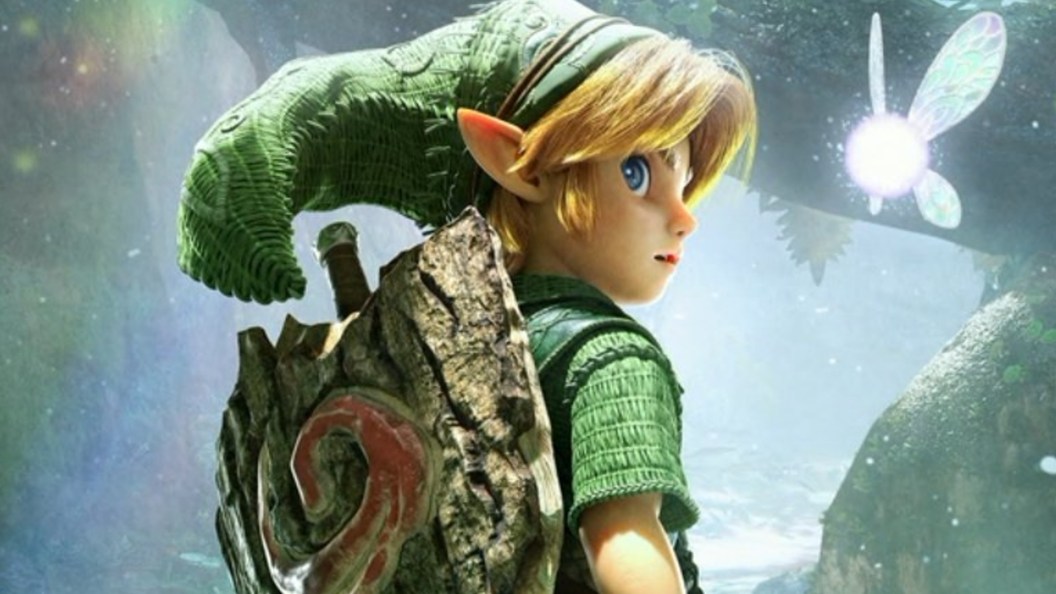
It’s no secret that the release of Grand Theft Auto 6 will see gamers of all stripes returning to the crime-riddled streets of Vice City when the highly anticipated sequel launches November 19th. But it seems just as many players are looking forward to revisiting one of the medium’s other favorite fictional locations: Hyrule.
That’s right, the hype for The Legend of Zelda: The Ocarina of Time remake has been bubbling over like a Death Mountain lava pool. While excitement for the long-requested remake – landing November 5th – was certainly expected, recent praise-filled previews and the positive response to its latest trailer suggest Nintendo’s big holiday release has players as anxious to reunite with Zelda and Link as they are to meet Lucia and Jason.
Of course, if you’ve never played the original Ocarina of Time – and were maybe brought up on more recent entries Breath of the Wild and Tears of the Kingdom – you might be curious what all the fuss is about, especially for a remake of a nearly 30-year-old title. You needn’t look further than any number of rankings – not just for the series, but all games – to discover how beloved the Nintendo 64 classic is. And that adoration is backed by a best-of-all-time Metacritic average of 99%.
Ocarina of Time Is a Literal Game-Changer
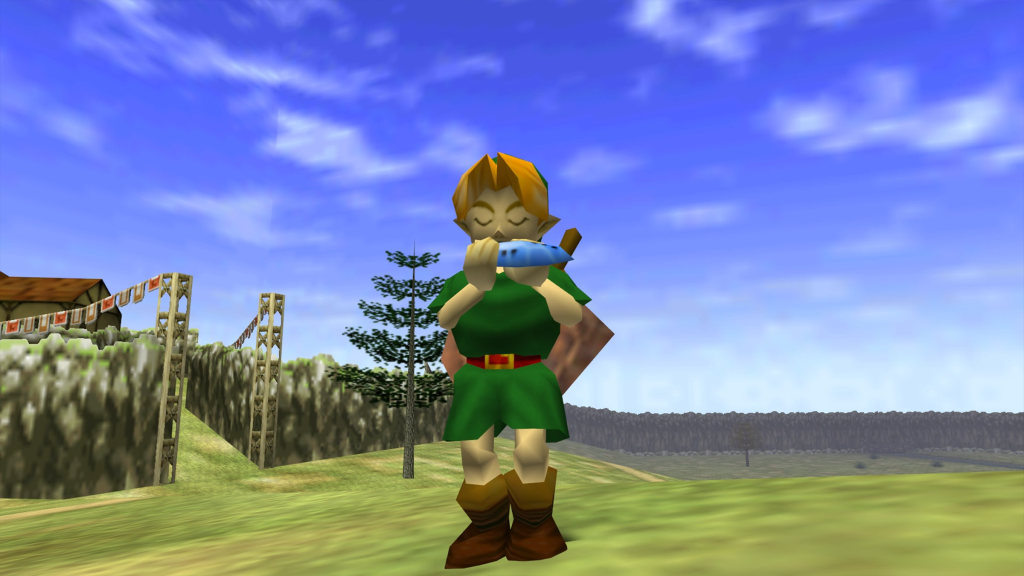
Plenty of reverence and acclaim have been heaped upon other installments in the long-running Zelda series, but much of the love and respect for Ocarina of Time stems from a different place. The 1998 game wasn’t just another excellent entry in an esteemed franchise, but one that would reach that bar and far beyond to influence and impact the entire medium.
Like any good Zelda game worth its weight in gold rupees, the original packed a near-perfect mix of whimsical storytelling, clever puzzles, rewarding exploration, engrossing, boss-capped dungeons, and instantly iconic music. But these expected, defining elements were significantly elevated by the series’ jump from the 16-bit Super Nintendo console to its next-gen successor, the Nintendo 64.
The most obvious upgrade was the graphical and gameplay leap afforded by Ocarina of Time‘s 3D perspective. Previous entries – including 1992 SNES favorite A Link to the Past – had primarily leveraged top-down and 2D cameras, so playing as a polygonal Link for the first time was, in and of itself, a huge deal. It didn’t hurt that this evolution was implemented so well, refining and polishing the fresh 3D formula that had also given Nintendo’s mascot a massive upgrade two years prior in Super Mario 64.

The new, more immersive perspective also opened up – quite literally – the series’ exploration-encouraging maps. While not a true open-world, the game’s sprawling Hyrule Field and its semi-open connecting areas certainly sold the illusion of a massive fantasy universe just begging to be discovered at your discretion.
This sense of size and freedom was further fueled by its use of parallel worlds and time travel. The franchise had previously dabbled in these elements – and they’ve since become staples of the series – but Ocarina of Time made them a core pillar of Link’s adventure, implementing them as integral parts of the story, gameplay, and world-building.
Traveling through time as both child and teen Link didn’t just make the world feel larger by presenting the same areas in very different states, it also introduced varied, often interconnected gameplay scenarios. So, for example, deciphering a riddle in one timeline could unblock a path or open new opportunities in its parallel state. The narrative implications of these elements, which we won’t spoil here, also ensured the franchise’s enduring Triforce-gathering, Ganondorf-vanquishing plot packed plenty of fresh surprises.
Zelda Changed Action-Adventure Games Forever
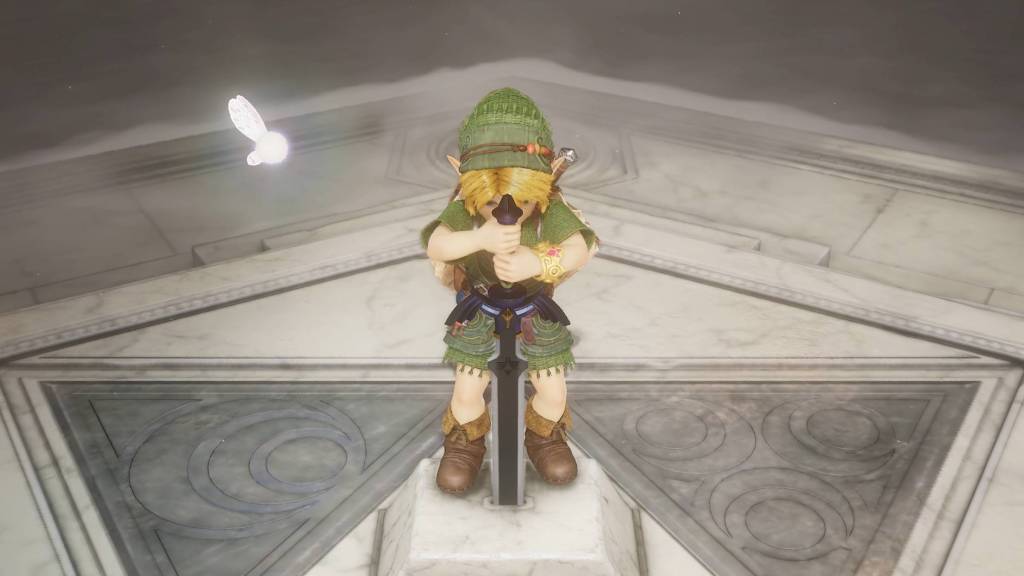
Nintendo’s 3D, semi-open, time-jumping adventure not only served as the foundation for future franchise chapters, but it would heavily inspire the third-person action genre, as well as the medium as a whole. Most notably, Ocarina‘s combat-enhancing Z-Targeting mechanic is widely considered its greatest contribution to gaming.
For those who’ve yet to wield the Master Sword, this feature is essentially the enemy lock-on input you’ve clicked in countless combat encounters across a variety of games. While it’s now second nature when facing an ugly foe, the ability to not only focus on a single baddie, but also aim weapons, strafe, dodge, circle – and have the camera keep up with it all – was generally unheard of prior to Link first introducing his modest Kokiri blade to Hyrule Field’s man-eating plant-like Deku Babas.
Of course, it isn’t a single system, mechanic, or feature that made Ocarina of Time so special, but the organic implementation of all its many moving parts – both technical and artistic – as well as countless others refined from previous entries. After all, what good is the ability to lock-on to a dungeon-dwelling boss if the battle isn’t one you’re still talking about days later.
So, if you’re wondering why so many gamers are as enthusiastic to adventure through Hyrule as they are to hijack slick rides in Vice City, it’s not merely rose-tinted nostalgia, but the anticipation of possibly playing the best version of one of the medium’s most innovative and influential titles.
As mentioned, The Legend of Zelda: Ocarina of Time will arrive exclusively on Nintendo Switch 2 next week on November 5th.