No Rest for the Wicked’s Shift Toward Classes Could Come at the Cost of Its Best Idea
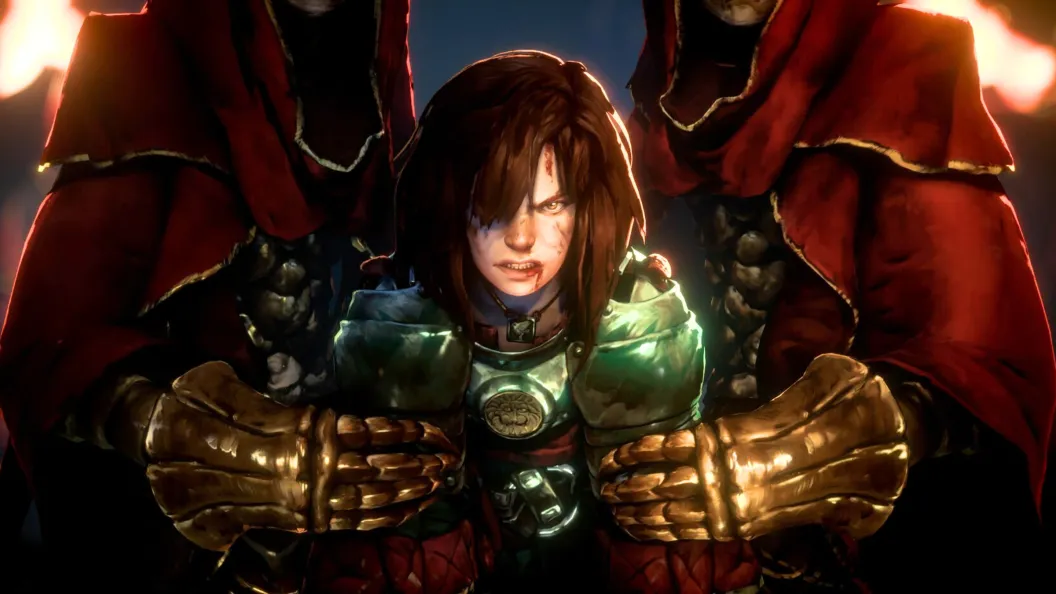
Many action RPGs ask players to choose a class and spend dozens of hours strengthening that identity. No Rest for the Wicked offered a refreshing alternative. Moon Studios’ Early Access RPG let players shape their characters around weapons, attributes, and abilities without committing to a traditional archetype or role. The system currently had its flaws, but its underlying philosophy gave character progression a distinctive appeal. Now, with Moon Studios preparing to replace it their new 24 classes system, I’m interested in what the studio hopes to accomplish. I’m also concerned that addressing the old system’s shortcomings could mean losing one of the game’s most compelling ideas.
The new approach has plenty of potential. Removing attribute requirements could make experimenting with weapons less frustrating, while a broader selection of traits could create combinations the original system couldn’t support. But more options don’t automatically translate into better character building. The question is whether this redesign will expand the possibilities available to players or make them more dependent on a predefined framework. I want to see No Rest for the Wicked improve on its original progression system, but I’m not yet convinced that a shift toward classes is the best way to do it.
No Rest for the Wicked Made Build Experimentation Feel Truly Free

One of the original system’s greatest strengths was how it connected character progression to the weapons and abilities players wanted to use. Rather than selecting a class with an established set of strengths and limitations, players could develop their attributes to support a preferred approach to combat. This espically interesting when played in co-op, because gave progression a sense of discovery, with builds emerging from players’ decisions instead of being determined by a predefined archetype. The system wasn’t without restrictions, but it offered a different relationship between equipment, attributes, and playstyle than many class-based RPGs.
Traditional classes provide clarity and direction, helping players understand their strengths and how to develop them, offen linearly. However, that structure can also establish expectations about how a character should be played. A warrior typically invests in the tools that make them a better warrior, while a mage focuses on strengthening their magical abilities. No Rest for the Wicked challenged that familiar approach by allowing character development to revolve more directly around weapon preferences and individual choices. Its appeal wasn’t that every possible build was equally effective, but that players had greater room to determine what kind of character they wanted to create.
There were legitimate problems with this approach. Attribute requirements definitely make trying new weapons cumbersome, particularly when players had already invested heavily in a different set of stats. Moon Studios has also acknowledged that the system could encourage players to hoard points or regret their investments. These are reasonable concerns, and the original system shouldn’t be exempt from criticism simply because its underlying approach was appealing. But there’s an important distinction between fixing the restrictions that hinder experimentation and replacing the system, outright, that made experimentation distinctive. The challenge is to address the former without compromising the latter.

Can a Soft-Class System Preserve What Made No Rest for the Wicked Special?
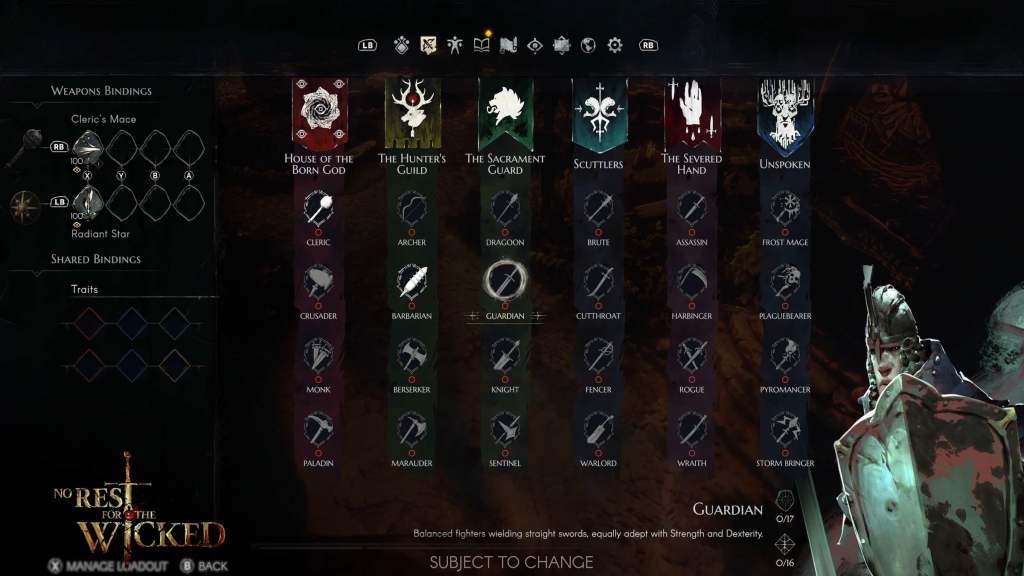
Moon Studios’ redesigned progression system is more flexible than a traditional class structure might imply. The game will feature 24 classes determined by the weapon a player uses, alongside hundreds of traits. Players can equip six traits and combine abilities from different classes, while the removal of attribute requirements should make switching weapons more accessible. These changes could address several of the original system’s weaknesses while introducing new ways to customize combat. On paper, the approach offers a promising combination of structure and flexibility, potentially allowing players to develop specialized builds without being permanently locked into a particular role.
My hesitation is that a greater number of options doesn’t necessarily produce greater build diversity. Hundreds of traits can create meaningful opportunities for experimentation, but they can also encourage players to identify the strongest combinations and gravitate toward established setups. Moon Studios has come to acknowledge this possible shortcoming, but the distinction will depend on how much these traits change the way weapons and abilities function together, and whether unconventional combinations remain viable alongside optimized builds. If the new system encourages players to explore different approaches rather than simply assemble the most effective collection of traits, it could be a genuine improvement. But until the system is available to try, it’s difficult to know whether its added structure will meaningfully expand player choice or simply make character building more elaborate.
I want Moon Studios to succeed with this redesign. The original system had clear shortcomings, and there’s no reason to assume that preserving its exact structure would be the best outcome for the finished game. Still, I hope the studio recognizes that its appeal went beyond removing traditional class restrictions. The upcoming open beta in December should provide a clearer picture of whether the new system can preserve that distinction, ahead of the planned March 2027 launch. I’m cautiously optimistic about the possibilities, but I remain unconvinced until I get hand-on with myself.