Aion 2 Shows the MMO Genre Still Has a Future, but It Needs to Learn From Its Past
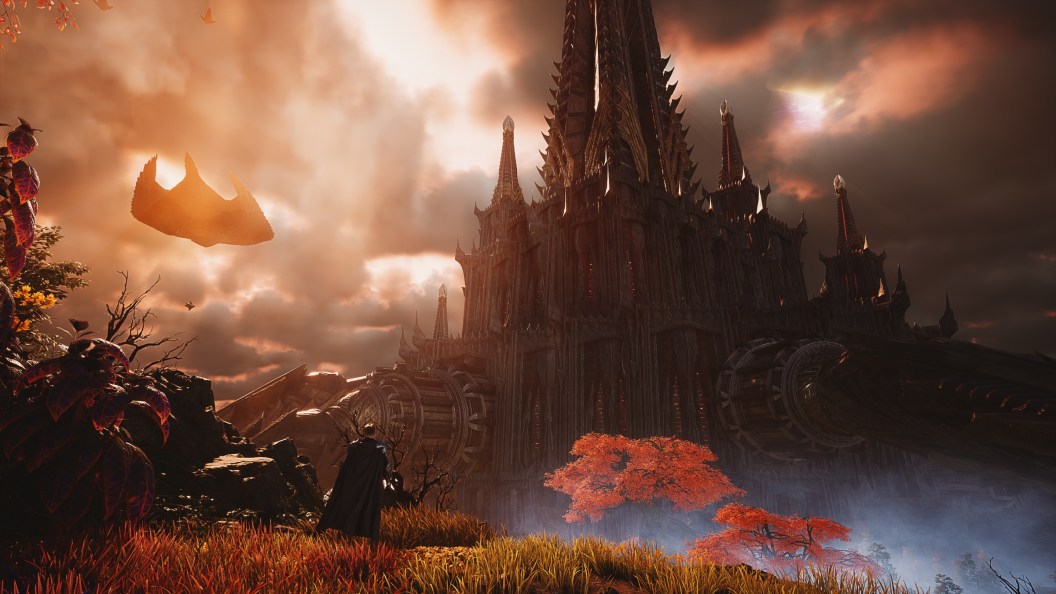
Few genres ask players to invest so much of their lives in a single game, yet few can make that investment feel quite so worthwhile. A great MMO gives you a world to call home, people to share it with, and adventures that become stories you tell years later. A bad one can turn that same world into a second job. Yet, somehow, despite years of games struggling to strike the right balance, players are still hungry for the next big thing on the horizon. The MMO genre has been “dying” for a while, but there’s still a genuine heartbeat.
Look at Aion 2. Its explosive launch is another reminder that the appetite for a massive online world hasn’t gone anywhere. Players are still willing to show up in huge numbers when a new MMO promises somewhere fresh to explore. Granted, Aion 2 probably won’t become the genre’s next great success story, especially with the numerous concerns already hanging over the game. But its launch raises a much bigger question: if people are still desperate for a great MMO, why is finding one so difficult?
Aion 2 Proves Players Still Want to Get Lost in a Massive Online World
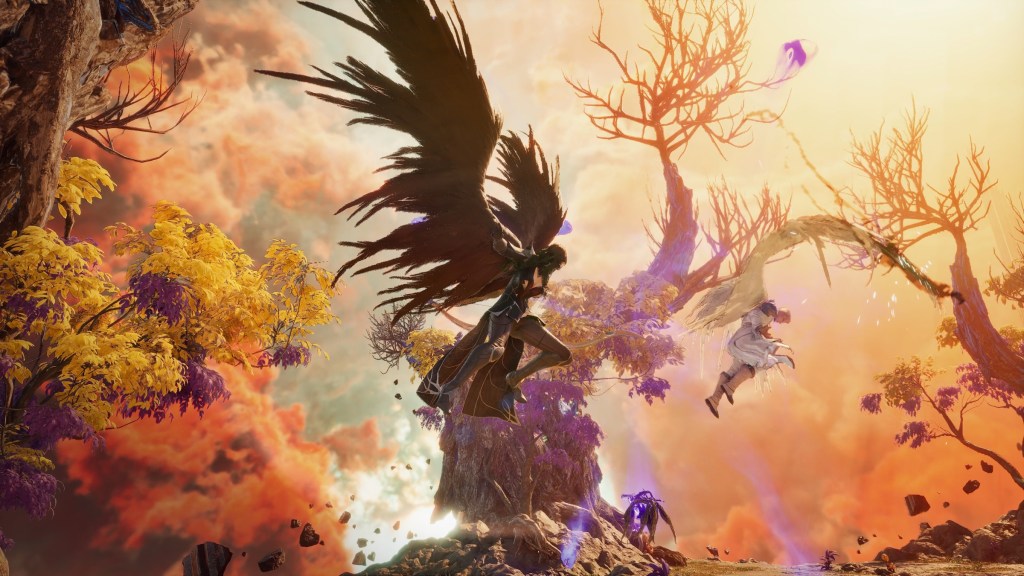
There’s a reason MMO launches can feel like gaming events rather than ordinary releases, even if they fail. For a little while, an entire community is discovering a world together. Players stumble into unfamiliar territory and make memories before anyone has settled on the most efficient way to play. The best time to play a MMO is at its infancy, as the game has not been solved yet, thus the “race” to min-maxing hasn’t taken shape. Even the smallest adventure can feel exciting because nobody quite knows what comes next. That first rush of possibility is something a single-player game can struggle to replicate.
Aion 2 attracted enormous attention at launch, demonstrating that the MMO audience hasn’t simply packed its bags and moved on. People still want sprawling worlds they can inhabit for months or even years. They want to see familiar names in town, find a group for a dangerous expedition, and log in because their friends are waiting. The appeal goes beyond having a big map or a thousand hours of content. It’s the feeling that the world keeps going, even when your own little corner of it changes.
But a crowded launch is a starting point, not a victory lap. Getting people through the door is one thing; giving them a reason to stick around is another. MMO have, historically, struggled hard with this issue. How do you keep people around after the honeymoon phase? Aion 2 arrives with baggage of its own, and a huge opening crowd doesn’t guarantee that players will like what they find after said honeymoon ends. Its launch matters because it reveals the demand still out there, not because the game is guaranteed to satisfy it. The genre doesn’t need another brief explosion of interest. Instead, it needs worlds people actually want to call home.

The MMO Genre’s Future Depends on Learning From Its Past

The MMO genre has spent years chasing its own golden aged shadow. Developers keep trying to capture lightening in a bottle, only to fail because for one reason or another. They keep trying to gather up that magic of the games that once dominated our schedules, but nostalgia is a lousy substitute for understanding what made those worlds special. It wasn’t merely the endless grind or the promise of bigger numbers. Not at all. Really, it was the people we met along the way and the sense that our adventures belonged to a living world. The feeling of immersion combined with the mentality of a world exiting beyond. Recreating the old routines without that feeling is a fast way to make an MMO feel like work.
In hindsight, the genre has given players plenty of reasons to be cautious. Monetization can make progression feel like a shopping trip, and it something that is incredibly common in all live service game these days. MMOs are insanely expensive, but modern ones tend to focus so heavily on that aspect that they drain the fun out the game entirely, self-circumventing the entire point. Endgame systems are another pain point, and often become so focused on efficiency that taking the scenic route starts to feel like wasting time. No one like wasting their time, which is basically another catch-22. These problems chip away at the very thing MMOs do best: making players want to spend time in their worlds. A game can offer hundreds of hours of activities and still give people very little reason to care about any of them. The worst part? Once that pit is on full display, a steady decline begins.
That’s why the future of MMOs depends on more than reviving old names or launching the next enormous game. It means remembering what makes a shared world worth inhabiting in the first place, while having the courage to leave outdated design habits behind. There are reasons to be hopeful, too. With Guild Wars 3 on the horizon, along with Riot’s upcoming League MMO, there’s a chance for developers to learn from decades of successes and missteps. Aion 2 may or may not be the game that moves the needle, but the response to its launch sends a message the industry shouldn’t ignore: players haven’t given up on MMOs. They’re still waiting for one that gets it right. Otherwise, we’ll just be playing World of Warcraft forever.