Star Wars: Zero Company Has Too Much Potential to Not Get a Sequel

Star Wars: Zero Company is one of the most exciting tactical RPGs to come along in years, combining the strategic combat that made XCOM a genre staple with the spectacle of a galaxy far, far away. Bit Reactor has demonstrated that this formula works, delivering an experience that feels right at home in the Star Wars universe. But as much as I love what the studio has accomplished, it’s difficult to ignore how much more Zero Company could be. Compared to XCOM 2, its biggest shortcomings become apparent surprisingly quickly, and they have less to do with the quality of its combat than with the systems surrounding it.
Zero Company needs to get another chance. Its limited squad size and repetitive environments are noticeable weaknesses, but they’re also problems that could be addressed without abandoning what makes the original so good. With Bit Reactor bringing furloughed developers back to work, there’s an opportunity to revisit these shortcomings and refine the experience now, or even in a proper sequel. Zero Company doesn’t need to become XCOM 2 with a Star Wars coat of paint. It needs to learn from what made that game so enduring while leaning into the distinctive setting and characters that make its own approach worthwhile.
Star Wars: Zero Company Is Too Good to Be Left Behind
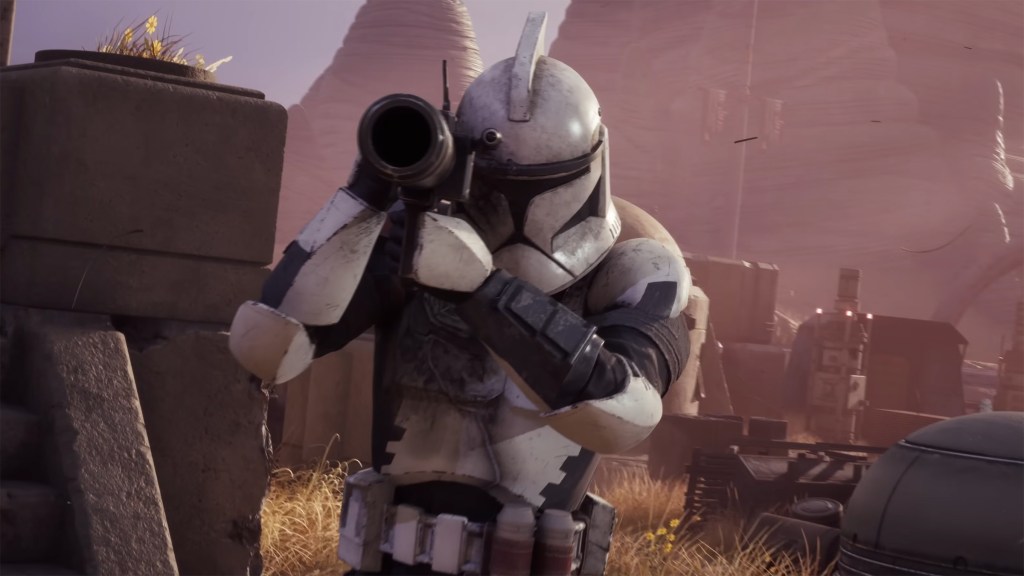
The appeal of Star Wars: Zero Company is obvious from the moment its tactical combat gets going. Positioning your operatives and figuring out how to overcome a difficult encounter makes for an excellent foundation, especially when the Star Wars setting gives every battle its own flavor. Bit Reactor understands what makes turn-based tactics engaging, and its experience with games like XCOM 2 is evident in the way encounters demand careful planning. The relationships between squadmates also give the game an identity of its own, making your team feel like more than a collection of interchangeable soldiers.
But, one of the most noticeable differences between Zero Company and XCOM 2 is squad size. Zero Company sends four operatives into battle, while XCOM 2 lets players begin with four soldiers before eventually upgrading their squad to six. This may seem like a small gripe, but two extra fully equipped, fully armed operatives changes the game in a big way. Mods have already introduced larger squads in Zero Company, demonstrating the appeal of expanding that tactical sandbox. I’d like to see six-person squads become a standard progression milestone, giving players a meaningful upgrade that opens up new approaches to combat.
The bigger issue, though, is how quickly Zero Company starts to feel familiar outside of combat. Its maps and environments lack the variety needed to keep repeated deployments feeling fresh, and it doesn’t take long to recognize familiar terrain and layouts. This is where XCOM 2 has a clear advantage. Its procedural map generation helps missions feel less predictable, even when players return to familiar environments and objectives. Zero Company has plenty of strong individual encounters, but the limited variety between them makes the campaign feel more repetitive than it should. As a game built around tactical missions, that’s a significant weakness that’s hard to ignore.
How Bit Reactor Can Turn Zero Company Into an Even Better Tactical RPG
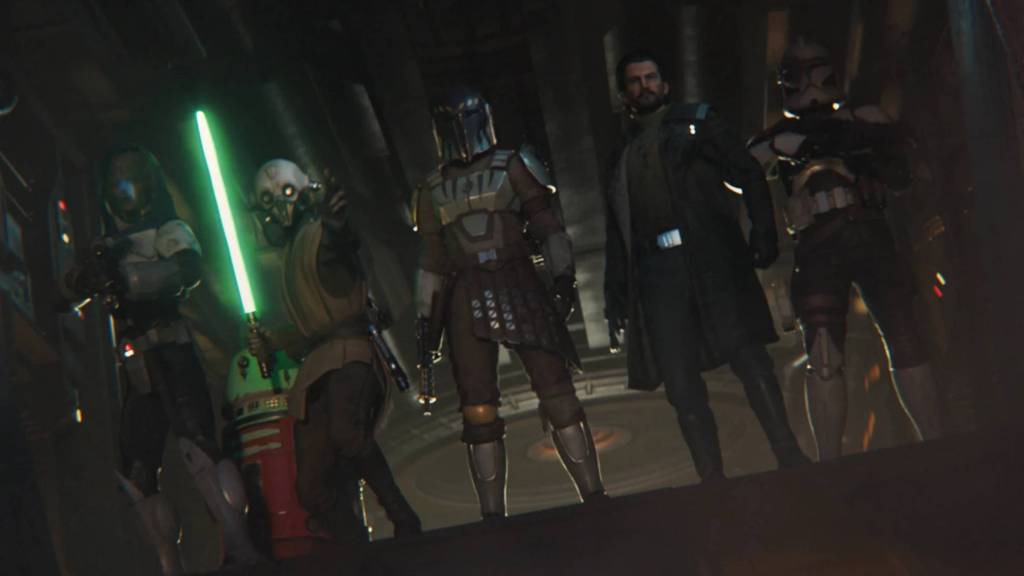
One area where a sequel could make a meaningful difference is in how its campaign develops alongside the player’s squad. XCOM 2 makes progression feel consequential because of all the strategic upgrades that continually change how players approach the next mission. Zero Company could build on that idea by giving its operatives more distinctive development paths and introducing upgrades that meaningfully alter tactical decisions. Right now, once you’ve built up a decent squad, there’s not much reason to change it, because there’s rarely a need to. This needs addressing, and while the recent additions to the campaign are a step in the right direction, there needs to be more work done here.
I’d also like to see Bit Reactor push further into what makes a Star Wars tactical RPG different from other games in the genre. XCOM has its own science-fiction identity, but Zero Company has an entire galaxy of recognizable factions and technologies to draw from. A sequel could build encounters around more distinctive enemy behaviors and objectives that more reflect the setting, rather than relying too heavily on familiar combat scenarios.
The other opportunity is to make the consequences of a campaign feel more personal. The bond between squadmates is already an important part of Zero Company‘s identity, and a sequel could give those relationships a more substantial role in the strategic layer. Operatives who fight together might develop complementary abilities, while injuries, losses, and difficult mission outcomes could force players to rethink their plans. Think about it. Wouldn’t it be awesome to have an operative suffer a dramatic near-death experience to droids, and then grow an actual, gameplay-altering hatred to droids going forward? The goal wouldn’t be to make every setback punishing, but to give the squad a history that emerges from the player’s decisions rather than relying entirely on scripted story beats.