Souls Fatigue Is Real, But It Might Be the Best Thing to Happen to Action Games Like Phantom Blade Zero
So, there was a time when challenging action games were a niche reserved for players willing to throw themselves against the same wall for hours. Then Dark Souls helped turn that appetite for punishment into one of gaming’s most influential trends, inspiring countless developers to build their own challenging worlds. Today, the genre is packed with games that demand precise timing and patience, making it fair to wonder: are people finally growing tired of the formula? When so many releases promise hard-earned victories, even a great challenge can start to feel familiar.
But what if the concept of “Souls fatigue” isn’t necessarily a bad thing? The growing number of challenging action games, including the highly anticipated Phantom Blade Zero, suggests that players aren’t ready to abandon demanding combat. Instead, the genre may be reaching a saturation point; where simply being difficult is no longer enough. This, then, leads to pushing developers to find new ways to make mastery feel rewarding. That could be the best thing to happen to action games in years, because the next evolution of the genre won’t come from making every boss hit harder. It’ll come from giving players fresh reasons to embrace the struggle.
Souls Fatigue Is a Sign That Players Want More From Their Action Games
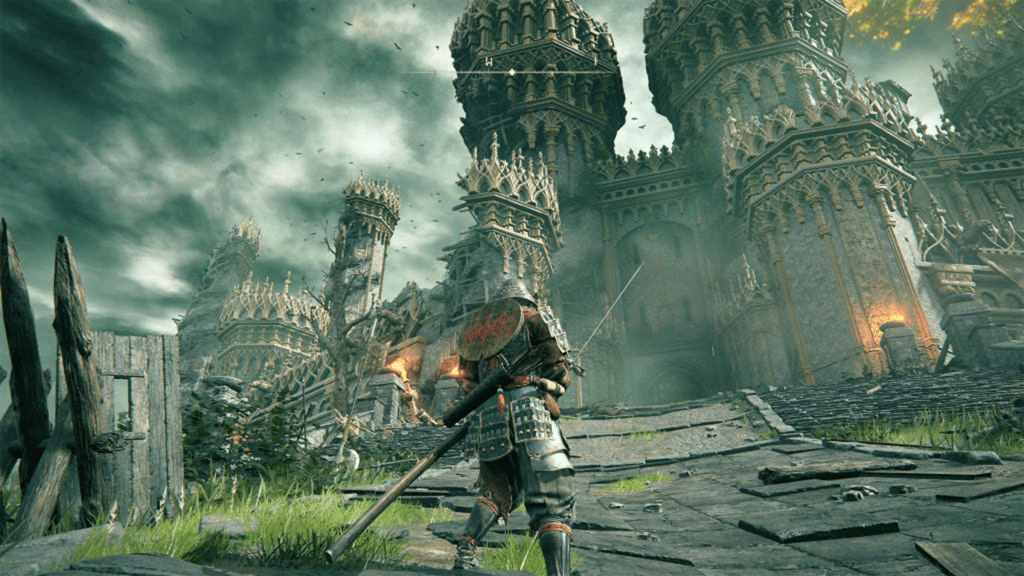
Soulslikes have become so prevalent that their familiar ingredients are now easy to spot. Stamina management, punishing bosses, cryptic storytelling… the works. All of these things have become common features across the genre. None of those mechanics are inherently bad, and the best games still use them brilliantly. The problem arises when developers mistake the presence of these features for the secret behind their success, producing another punishing adventure that struggles to offer much beyond what players have already experienced.
Truthfully, the popularity of challenging action games these days clearly shows that many people still enjoy being pushed to improve, provided the experience gives them a compelling reason to keep doing so. A difficult boss can be exhilarating when its moveset forces players to rethink their approach, but frustration sets in when the challenge feels familiar for familiarity’s sake. There’s a meaningful difference between demanding mastery and simply demanding more attempts.
This is where the conversation around Souls fatigue comes into itself. Rather than signaling that people are done with difficult action games, its constant mention could indicate that the genre needs to move beyond imitation and rediscover what makes combat memorable in the first place. Developers have plenty of room, and honestly, plenty of time to experiment. Some games might lean into fast, aggressive encounters, while others could build their identity around elaborate weapon techniques or cinematic duels. The future of the genre doesn’t need to be less challenging, but be less predictable instead.

Phantom Blade Zero Proves Challenging Combat Isn’t Going Out of Style

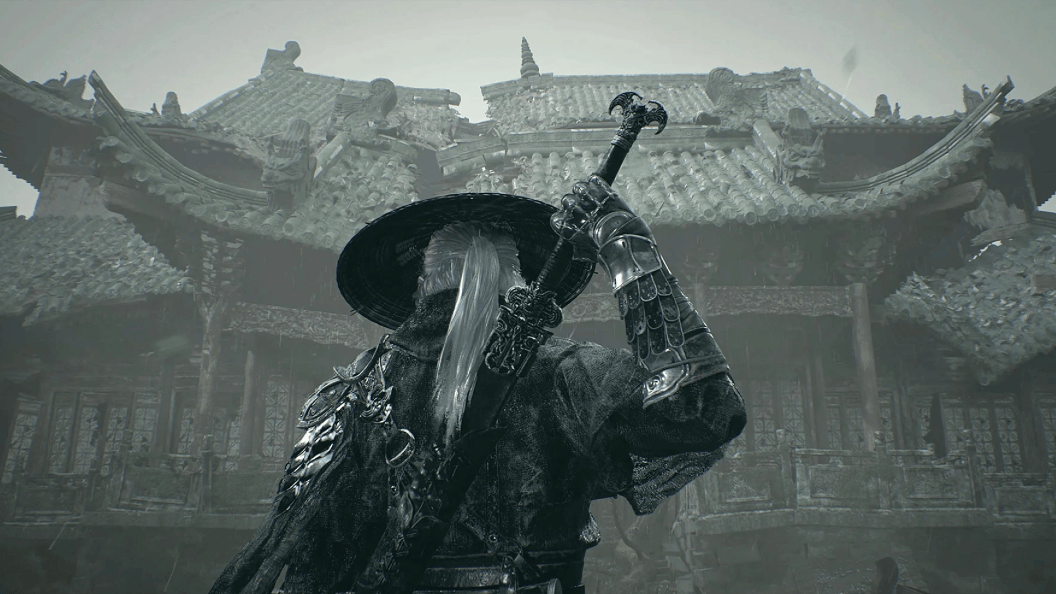
Phantom Blade Zero is an interesting example of why the future of challenging action games doesn’t have to involve abandoning what made Soulslikes popular. S-Game’s upcoming action game has drawn attention for its fast, stylish martial arts and its dark wuxia-inspired world, presenting a combat experience that looks distinct from the slower, more deliberate approach associated with many Soulslikes. Its appeal isn’t simply that enemies look dangerous or that fights appear demanding. It’s the promise of making every clash feel like an elaborate martial arts performance, with speed and spectacle playing a central role in the experience.
There is an important distinction here. Difficult combat can take many forms, and where some games ask players to survive through careful stamina management and patient defensive play, Phantom Blade Zero appears to emphasize fluid movement and rapid exchanges that reward players for mastering their offensive options. Its trailers have showcased cinematic encounters that look almost choreographed, yet the appeal lies in the possibility of making that spectacle something players actively control.
Having played through the game, it’s clear that the future of challenging action games doesn’t depend on abandoning the lessons learned from Dark Souls. It depends, really, on developers understanding that players want more than another gauntlet of punishing bosses. They want combat that feels good to master a reason to keep refining their skills. Phantom Blade Zero is a strong example of how a different approach to combat can make a familiar appetite for challenge feel new again. If Souls fatigue pushes more developers to take those kinds of creative risks, then perhaps the genre’s crowded landscape isn’t a warning sign at all. It might be exactly what action games need to evolve to the next stage of genre history.
Do you think Souls fatigue is real, or are challenging action games just getting started? Let us know below which games are pushing the genre forward and what you’d like to see from the next wave of action games.