The Witcher 3 on Nintendo Switch 2 is now the best way to play this masterpiece
The Witcher 3: Wild Hunt was perhaps one of the most impressive third-party ports we ever saw on the Nintendo Switch when it was released in 2019.
With the first Switch console being rather underpowered compared to the console specifications that The Witcher 3 had previously targeted, this version of the game had to downgrade a lot of the visuals just to get it running.
This resulted in heavy compression across pretty much every facet of the game. Graphics options tuned all the way down, resolutions going as low as 540p, and framerates that sometimes even struggled to hit 30fps.
It was a miracle that the game ended up running at all on Nintendo Switch, and despite these heavy compromises, it still remained a rather impressive experience on the console even if it wasn’t the recommended way to play the game for the first time.
So, when The Witcher 3: Wild Hunt Remastered was announced last month for Nintendo Switch 2 (alongside PC, Xbox and PlayStation versions as well), I was curious to see how this upgrade stacks up against the original Switch port.
Going hands-on with the Nintendo Switch 2 version of the remaster, I played through a sizable chunk of the game’s opening chapters, playing the prologue in Kaer Morhen, before hunting the griffin in White Orchard, and finally ending up in Velen to play through the Bloody Baron quest.
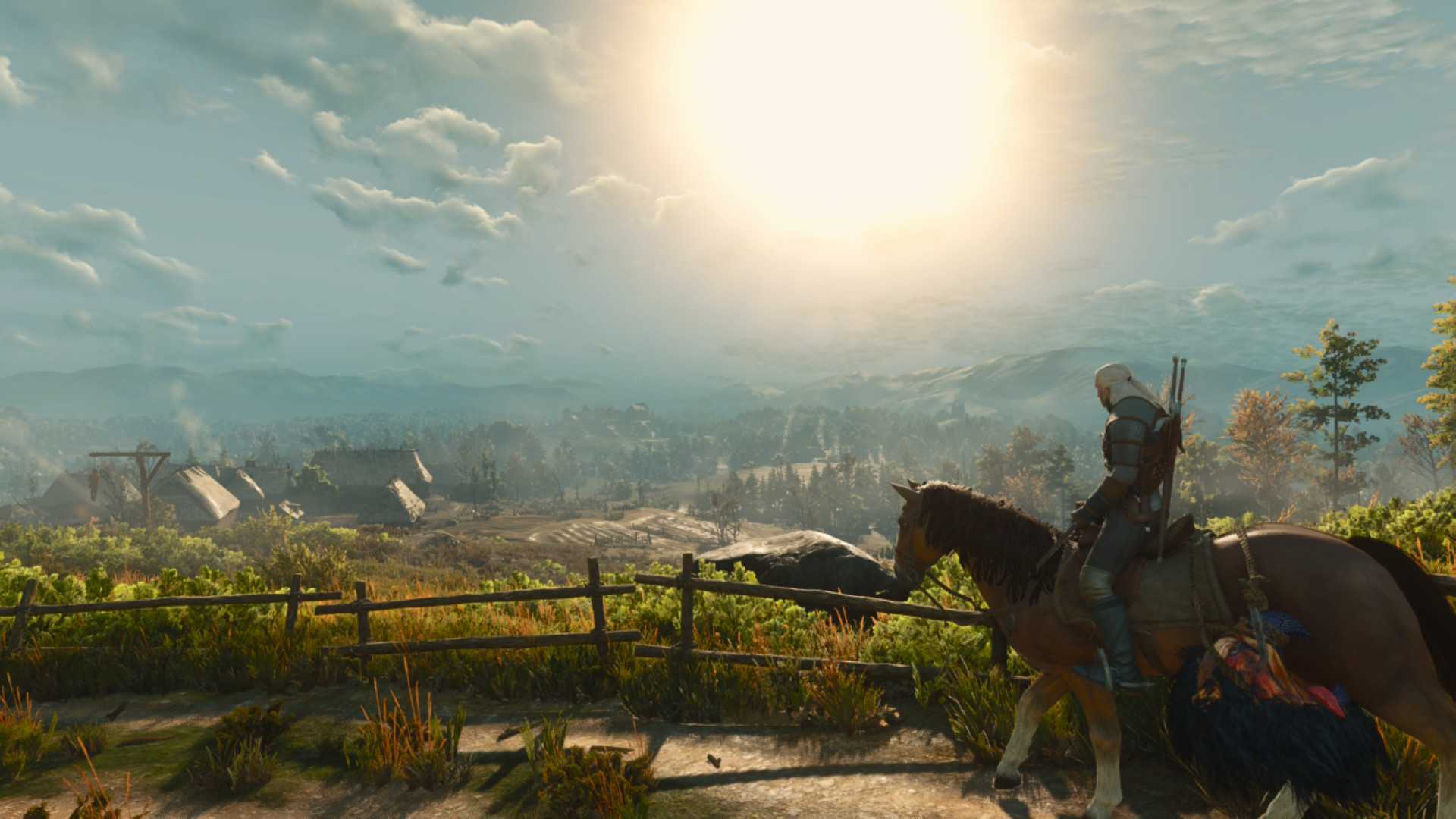
The Witcher 3 on Switch 2 is pure magic
From the visuals alone, The Witcher 3 has had a massive boost in resolution, framerate, and general picture quality. It runs at 1080p while docked, and 720p in handheld mode. In both cases, you’re looking at around 30–40 FPS. It very rarely dipped under 30 during gameplay, from what I can tell.
In terms of how the game handles textures, post-processing, and other graphical specifications, I’d say it’s comparable to how The Witcher 3 looked on PlayStation 4 and Xbox One, a massive upgrade from the original Switch.
I mean, The Witcher 3: Wild Hunt has a massive open world, has to keep track between dozens to hundreds of NPCs, enemies, and other interactable props at any one time, and is also a visual marvel at that. So, the fact that the Switch 2 can handle this at all is nothing short of a miracle.
Blur and motion blur settings are turned on by default, presumably to hide some of the compromises that were made for upscaling and framerate limitations, but I actually had a better time with it after turning these off. The final result is still a little blurry, which may put off a few people, but considering the magic CD Projekt Red is performing here, I'm willing to let it slide.
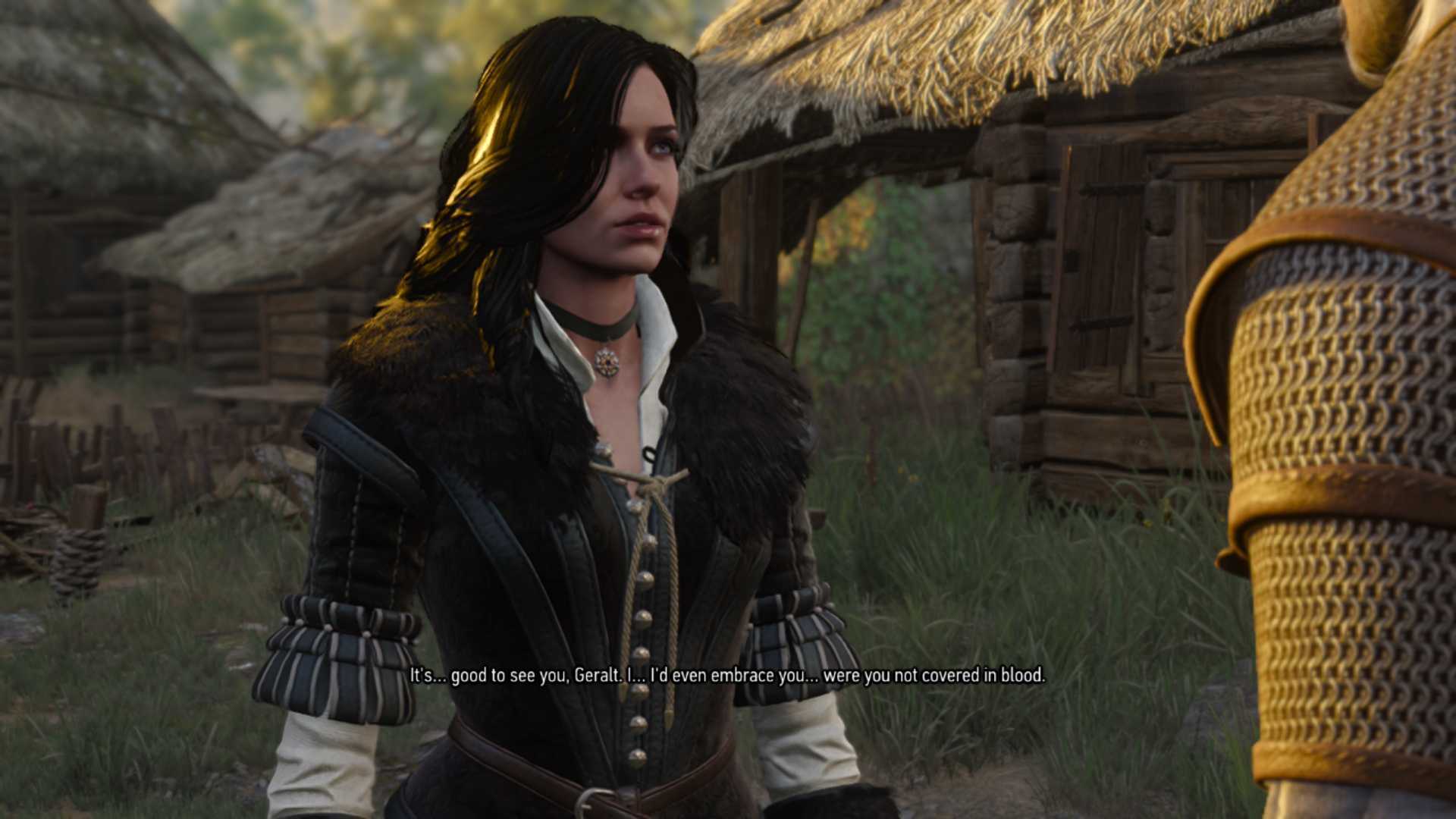
The Switch 2 gets some platform-exclusive features
As for some of the new features The Witcher 3 Remastered adds that are specific to the Switch 2, this version has a gyroscopic mode which allows you to tilt the Joy-Cons to adjust the camera angle, allowing you to make more precise movements in combat or exploring the world.
This extends to gestures you can make so Geralt can use the various tools at his disposal, such as bombs, crossbows, and Witcher signs.
The Switch 2’s touch screen can also function to navigate menus and other screens, allowing you to tap, pinch, or swipe through your inventory or map.
Another big feature of the Switch 2 that The Witcher 3 Remastered takes advantage of are the mouse controls, where placing the Joy-Cons with the mouse sensor faced down allows you to move the camera in the same way a mouse would on the PC version.
Considering the portable nature of the Switch 2, the real-world applications of this feature are a little limited if you’re not playing at a desk, but it is quite a fun way to engage with the game if you’ve got the game docked and have a flat surface.
I haven’t had enough time with The Witcher 3: Wild Hunt Remastered to complete an entire playthrough of the game, but based on these early impressions, I’d say this version is easily the best way to play through this masterpiece.
With how much I’ve found myself turning it on to complete a side quest, do a couple of contracts, or simply have a wander around the game’s massive open world, I can’t think of a better way to play it.