Teenage Engineering Is a Masterclass in Product Design
Teenage Engineering designs music gear like precision lab instruments: aluminum bodies, labeled controls and color used strictly as code.
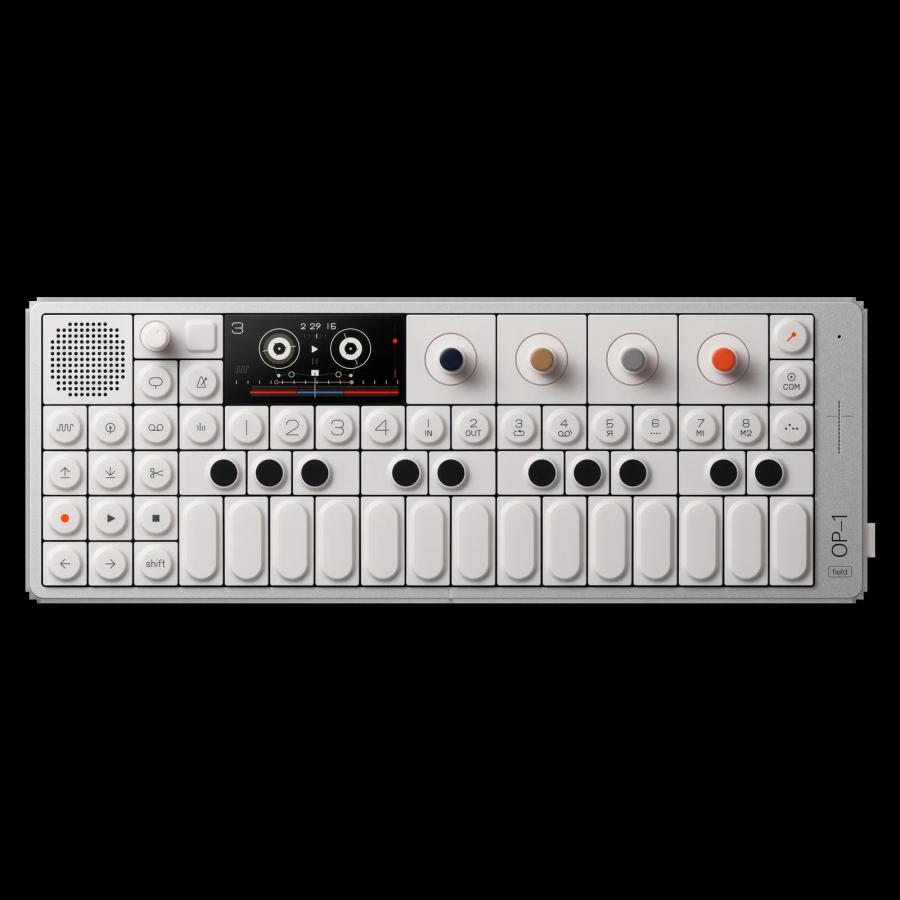
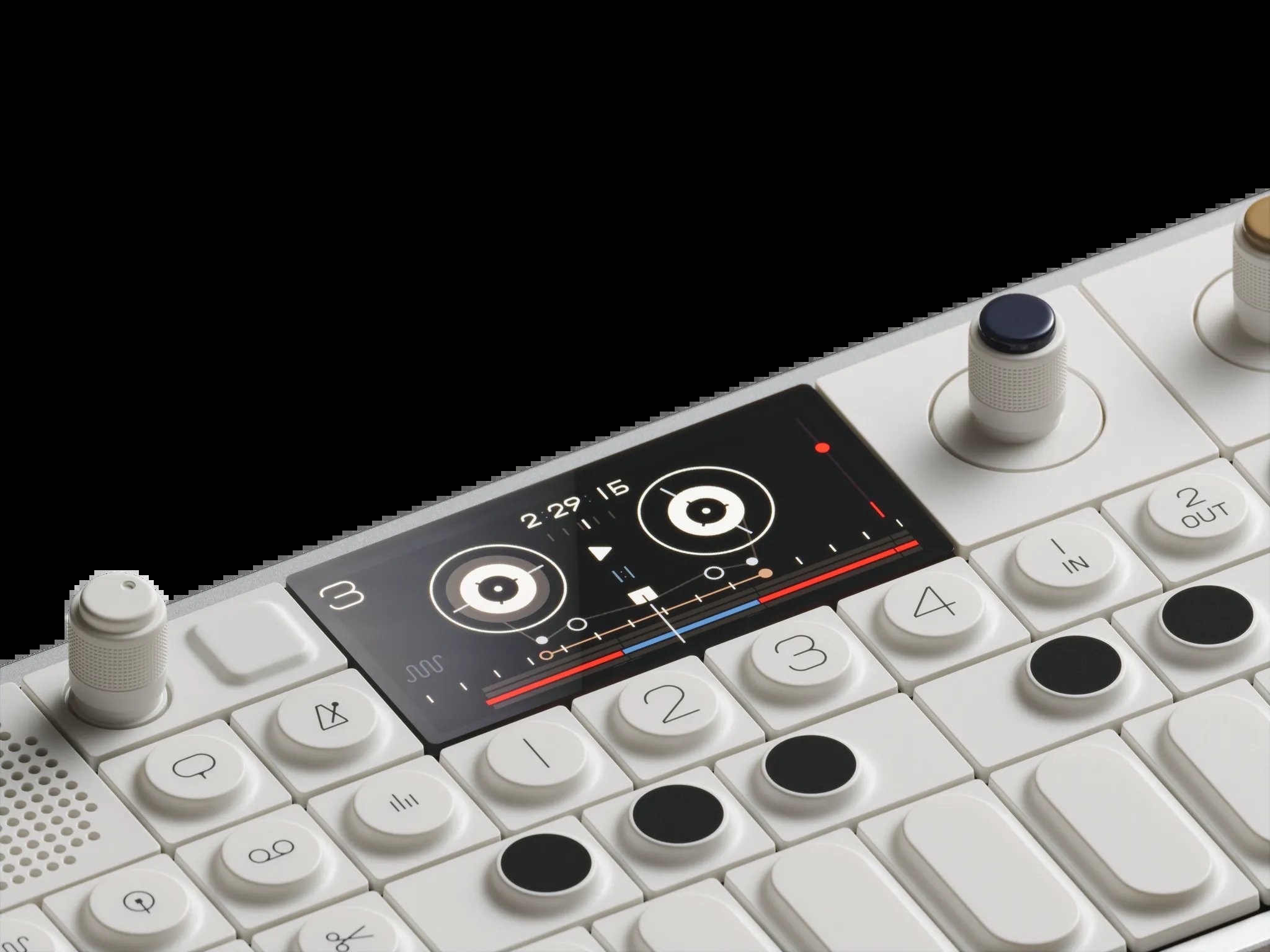
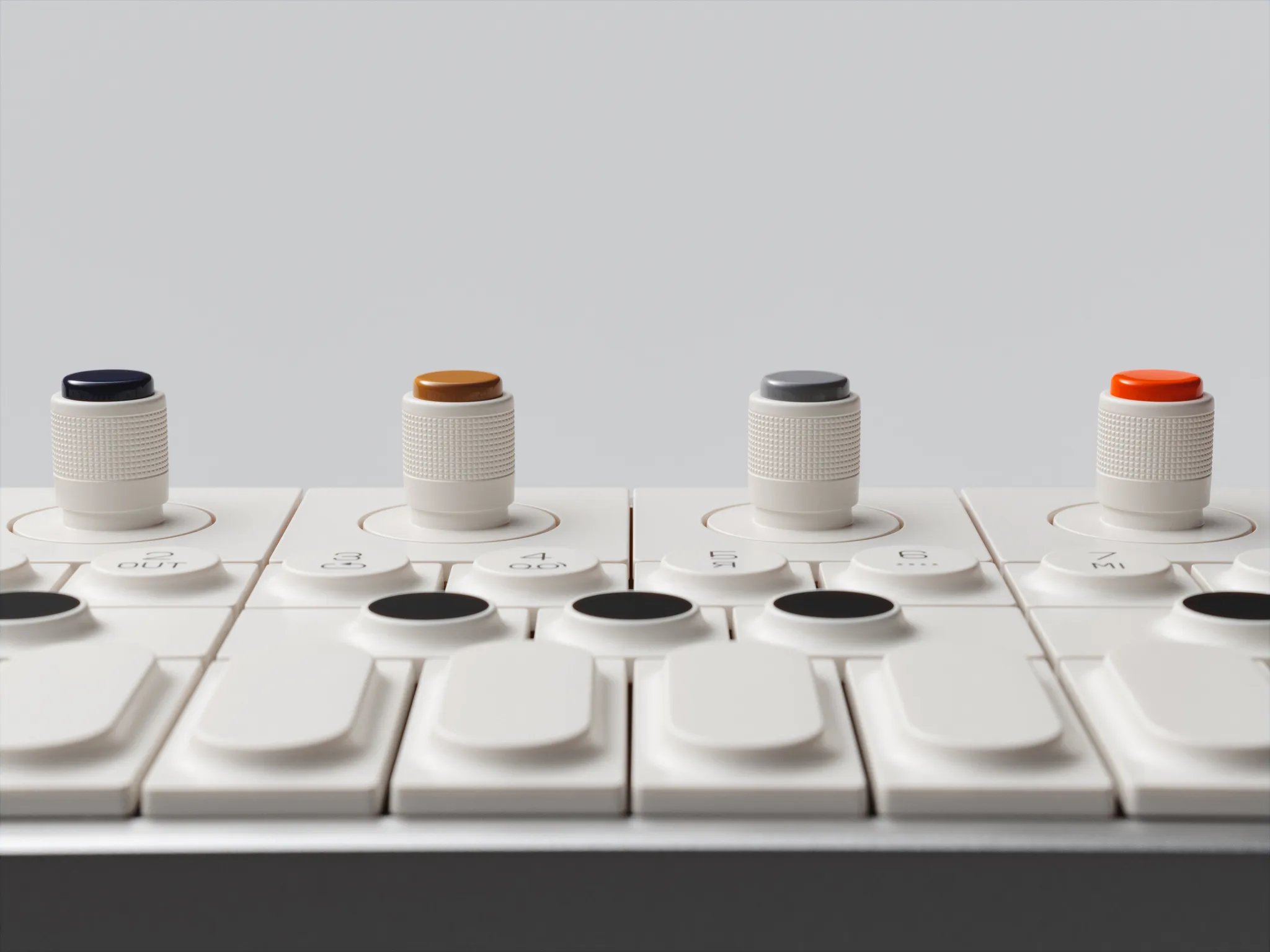
Start with the OP-1 field. It is a white aluminum slab, 300 millimeters long and only 20 thick, holding a two-octave keyboard of chunky pill-shaped keys, a color screen and four rotary encoders. Nothing is decorated and nothing is hidden. Every key carries a number or a tiny pictogram: scissors, a metronome, a loop symbol. The screen draws a virtual tape deck, two reels turning over a red playhead line, so the software follows the same mechanical logic as the hardware. The four encoders are color coded, dark blue, ochre, grey and orange, and the single orange knob is the loudest element on the whole machine.
Teenage Engineering and the Field System: One Language, Five Machines
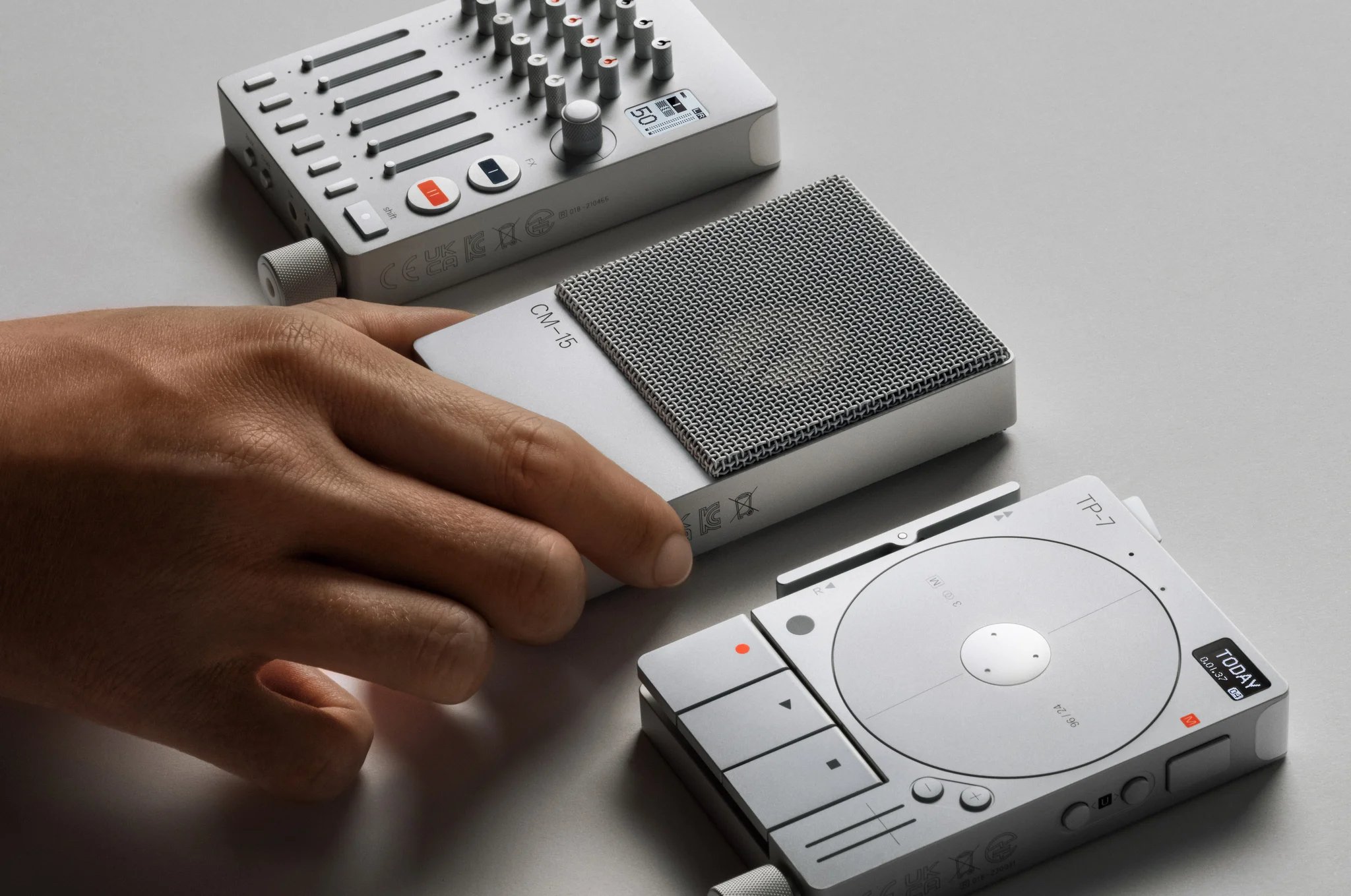
The field system is five units built to work as one portable studio, and all five speak the same visual language. The TX-6 mixer squeezes six stereo channels into an aluminum block 90 millimeters wide, its six inputs lined up in a numbered row along the top edge. The TP-7 recorder gives the tape metaphor a physical body, with a large circular reel dominating its face. The CM-15 hides a one-inch microphone capsule inside an aluminum slab behind a fine grille. For the OP-1 field update, the team redrew every screen and cut a new font, so even the menus sit on the same grid as the hardware. Every unit runs on batteries, charges over USB-C and carries the same small printed labels, so the set reads like instruments borrowed from one laboratory.
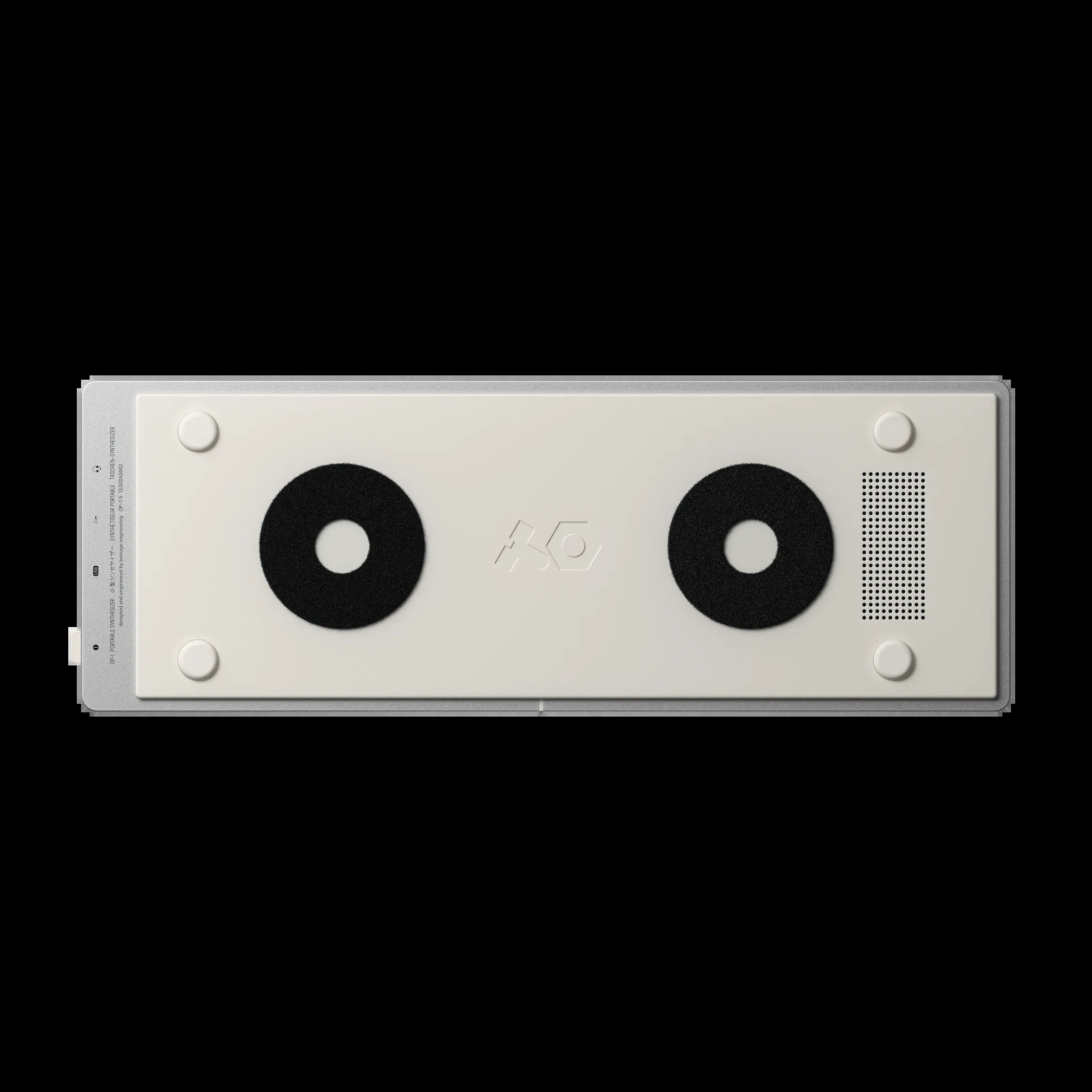
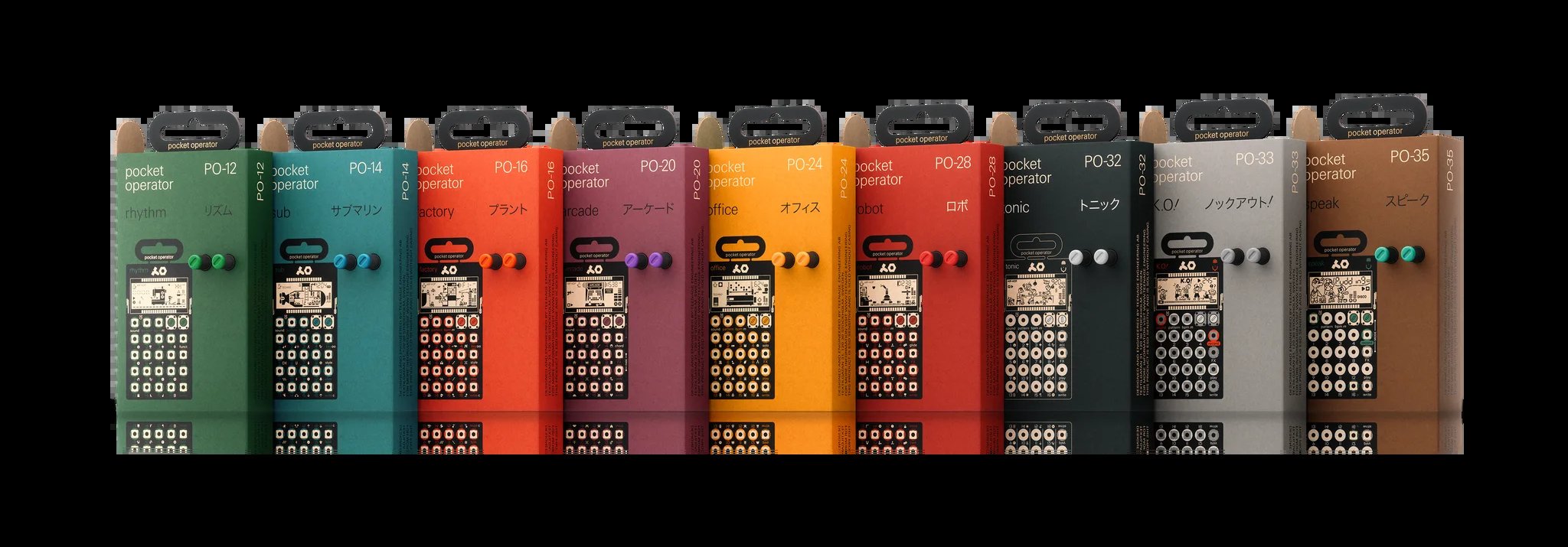
The materials keep the same honesty. Bodies are aluminum, left raw or powder coated, and the back of the OP-1 field trades cold metal for two velcro rings, made for strapping the synth onto a larger keyboard or a guitar. The pocket operators go further and skip the case entirely. Each one is a bare circuit board with the fragile components sheltered under the LCD, a folding wire stand and the graphics printed straight onto the board.
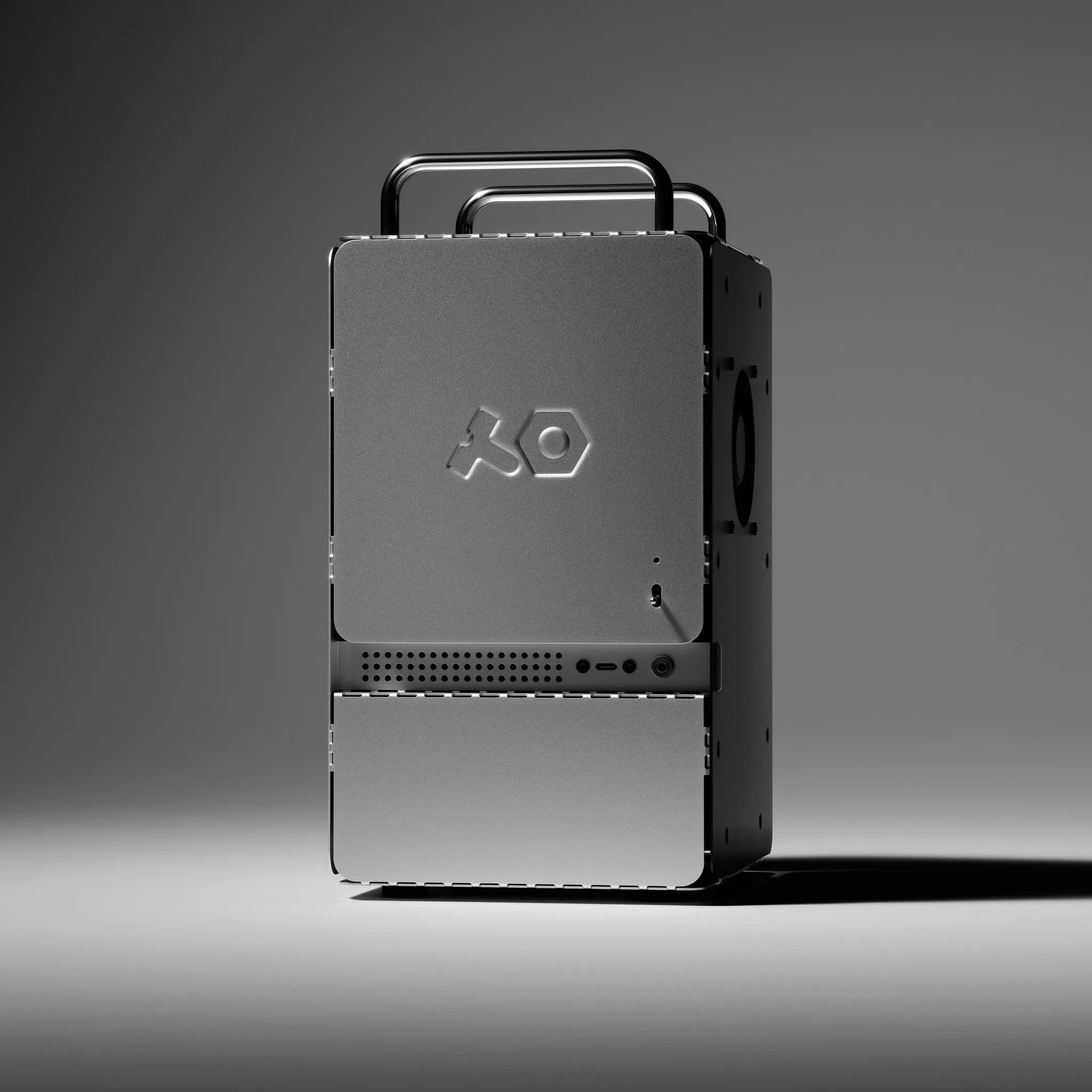
The computer-1 case arrives as flat aluminum sheets that you bend into shape yourself, following the instruction printed like a warning: think twice, bend once.
See more from Teenage Engineering on their website.