Q&A: Mauro Piccoli on Brembo’s ‘Functional Design’ Philosophy
Brembo's famous red calipers on a new Porsche model changed how the car world saw brake components. A once-hidden mechanical component evolved into an iconic symbol of performance, a Milan Design Week exhibit, and a central pillar of the software-driven future of mobility.
29 July, 2026

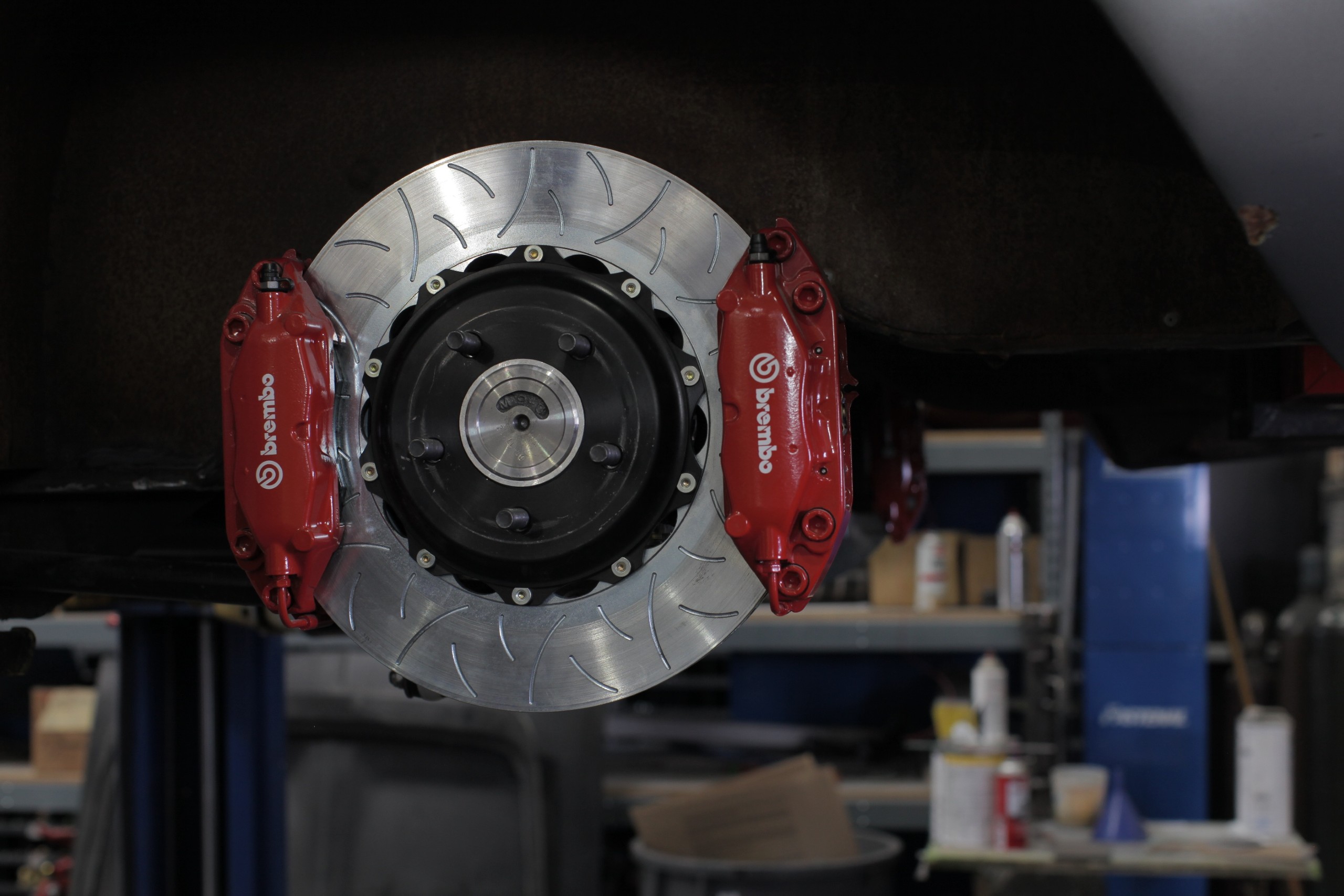
Brakes were once strictly utilitarian components concealed behind car wheels, until Brembo changed the game in the 1990s by painting a Porsche’s calipers bright red. Today, the Italian brand’s concept of “functional design” bridges the gap between high-stakes motorsport engineering and pure aesthetic desirability, expanding onto two-wheeled motorcycles, living room art displays, and intelligent software-driven platforms.
In this Q&A, David Coveney sits down with Brembo’s Chief Marketing Officer Mauro Piccoli to explore how Brembo maintains its distinct visual identity, integrates major acquisitions like Öhlins and AP Racing, and preserves mechanical artistry in the era of electric vehicles.
David Coveney: We are here to discuss the integration between high-performance engineering and design across the automotive sector. How do you ensure your technical, safety-critical components are recognised aesthetically by manufacturer design chiefs?
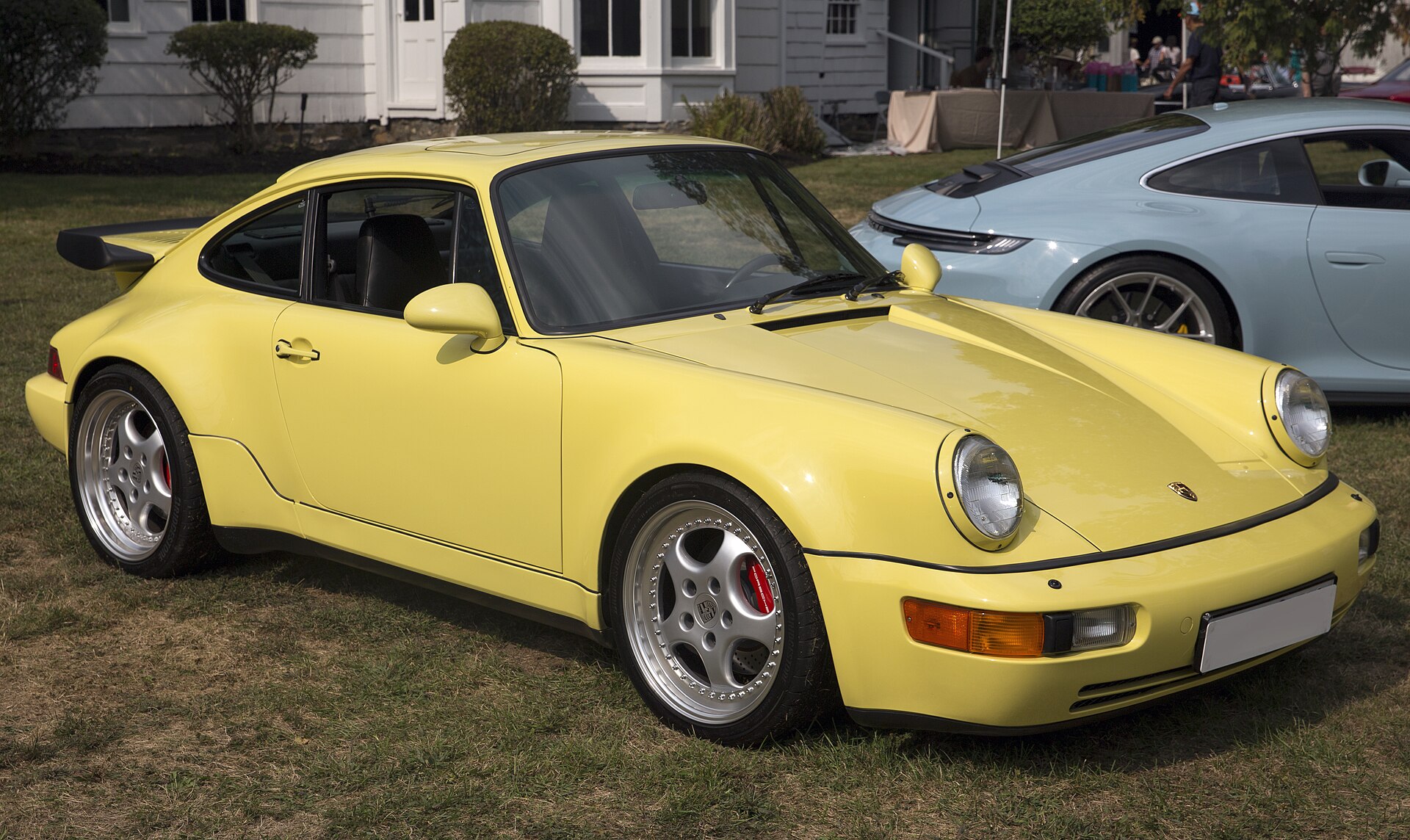
Mauro Piccoli: When we speak about design for Brembo, we always refer to so-called functional design. Whatever we design, it’s driven by engineering. Before the 1990s, calipers were basically hidden inside the rims. We took the decision together with our customer at the time – it was Porsche – to paint the caliper in red to make visible what was the new technology and the new fixed-bridge aluminium caliper. Starting from that time, every red caliper on a wheel was synonymous with performance and high performance.
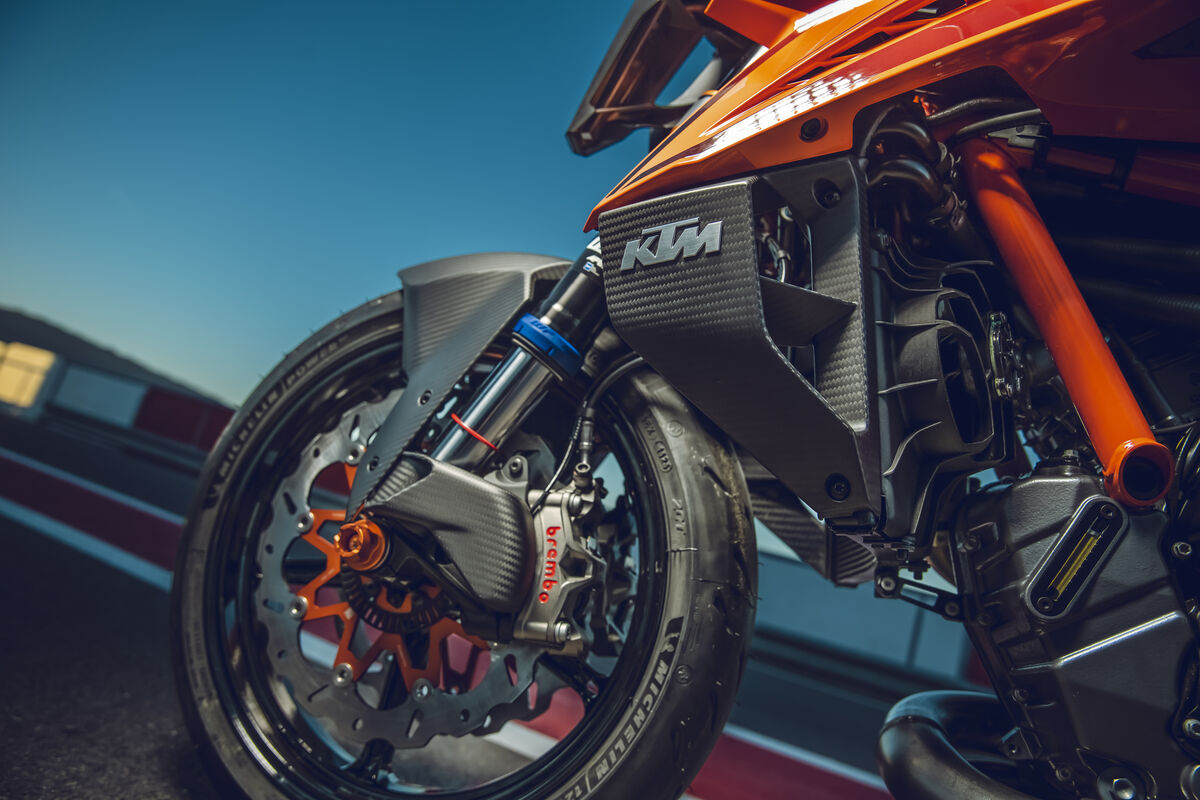
David Coveney: It must be an entirely different challenge when you move to two wheels, where the braking system isn’t just visible through the rim, but completely exposed.
Mauro Piccoli: If we move to two wheels is even more visible because the brakes are so exposed on the motorcycle. And again, it’s also what we attach to the handlebar, because the master cylinder, the reservoir, and the lever is the full system. All the details, all our parts are designed to work well together and to work well with the specific design of the vehicle.
David Coveney: And how does that design evolve? Brakes are a critical area, especially for avoiding overheating – I know from bitter experience the feeling of an old Alfa Romeo’s brakes dying during a track day! Modern systems are incredible compared to what we dealt with in the past. How does your design process iterate quickly enough to meet modern demands?
Mauro Piccoli: Time is moving faster and faster, development time is getting shorter. Motorsport is a good place to learn about this. If you think that we are producing basically 18 different brake systems… starting designing them in July and delivering them in January, and they are put on a car that goes at 360km/h. All of this has allowed us to develop not simply a product, but a process, in order to be sure that whatever we develop is developed faster but also with a higher standard.
David Coveney: And you are taking those processes beyond just brakes now, aren’t you? Brembo has been acquiring other brands, such as Ohlins and AP Racing, to expand its offering.
Mauro Piccoli: Yes, we are aiming to transform from a component manufacturer to a comprehensive mobility company. By integrating wheels, brakes, suspensions, and clutches – including those from Marchesini and AP Racing – the group intends to manage these interconnected systems through advanced software and engineering. We also maintain AP Racing as a separate brand to foster internal competition within motorsport, encouraging both brands to push for the best possible solutions.
David Coveney: Does bringing together all these different companies – with teams in Sweden, Britain, and Italy – create challenges when it comes to maintaining a unified design culture?
Mauro Piccoli: Integrating different corporate cultures has been smoother than expected because all entities share a design philosophy rooted in performance. We view the company as global, striving to leverage the best of each entity to ensure that collaborative results exceed the sum of their parts.
David Coveney: Speaking of software and engineering, how is the shift toward intelligent systems changing the way you design the physical product?
Mauro Piccoli: We are starting the production of our intelligent braking system called Sensify, which goes far beyond pure components – now software is involved. We are finding a new way of developing platforms in a shorter way, where probably it is the software more than the hardware that allows us to change and upgrade the system. But even as vehicles become more complex, brakes remain a vital, highly visible component, and we continue to focus on “ingredient branding” to maintain the desirability of our products.
Mauro Piccoli: We want to be perceived as designers, not simply just as a manufacturer. The approach to automotive is changing, becoming less driven by pure performance and more driven by lifestyle and aesthetic concepts. When we won the Compasso d’Oro in 2004, the mention was that “if it wouldn’t be a brake it could stand in a museum of modern art”. We decided to explore how our brakes could be used in a living room, or displayed in a house as a piece of art. We work with Sesia&Co (an interior design firm) to use colour accordingly with interior design in order to make it seamlessly integrated. People understood how beautiful could be a brake caliper… even if standing alone, which allowed us to speak with an audience more interested in design than automotive.
David Coveney: And we are seeing this shift towards lifestyle happening in racing as well, aren’t we?
Mauro Piccoli: F1 is moving from being a pure engineering audience to a more lifestyle audience, and that is what is attracting a consumer brand. Drive to Survive has changed the rules of the game. For us, motorsports become also a way to convey our brand as a lifestyle brand, not simply as a performance brand.
David Coveney: Looking ahead to the electric era, if you’re going slowly, the brakes sometimes don’t even engage because of battery regeneration. Will it be as desirable for brakes to remain a key visual element of a car when a lot of electric vehicles use disc-style wheels which cover everything up?
Mauro Piccoli: High-end electric vehicles are incredibly fast and incredibly heavy… you cannot avoid brakes in case of emergency. We size them according to the vehicle’s needs, but there is still a desirability from the end consumer for this type of feature. Sometimes they close the wheel, but there are a lot of guys that buy the car with closed wheels and then they open them as soon as they buy the car. We like to see honestly, maybe they lose 0.1% of efficiency, but the car looks more beautiful.
From the racetracks of the 1990s to the galleries of Milan Design Week, the journey of the humble brake caliper highlights just how deeply integrated high-performance engineering and aesthetic desirability have become. As the industry drives faster into the electric and software-led era, the challenge for designers won’t just be making vehicles work, but ensuring their mechanical artistry isn’t lost along the way.