E.H. Shepard at 100: The Craft of Winnie-the-Pooh Illustration
Celebrate 100 years of Winnie-the-Pooh with an in-depth look at E.H. Shepard's pen-and-ink illustration craft and NYPL centenary treasures.
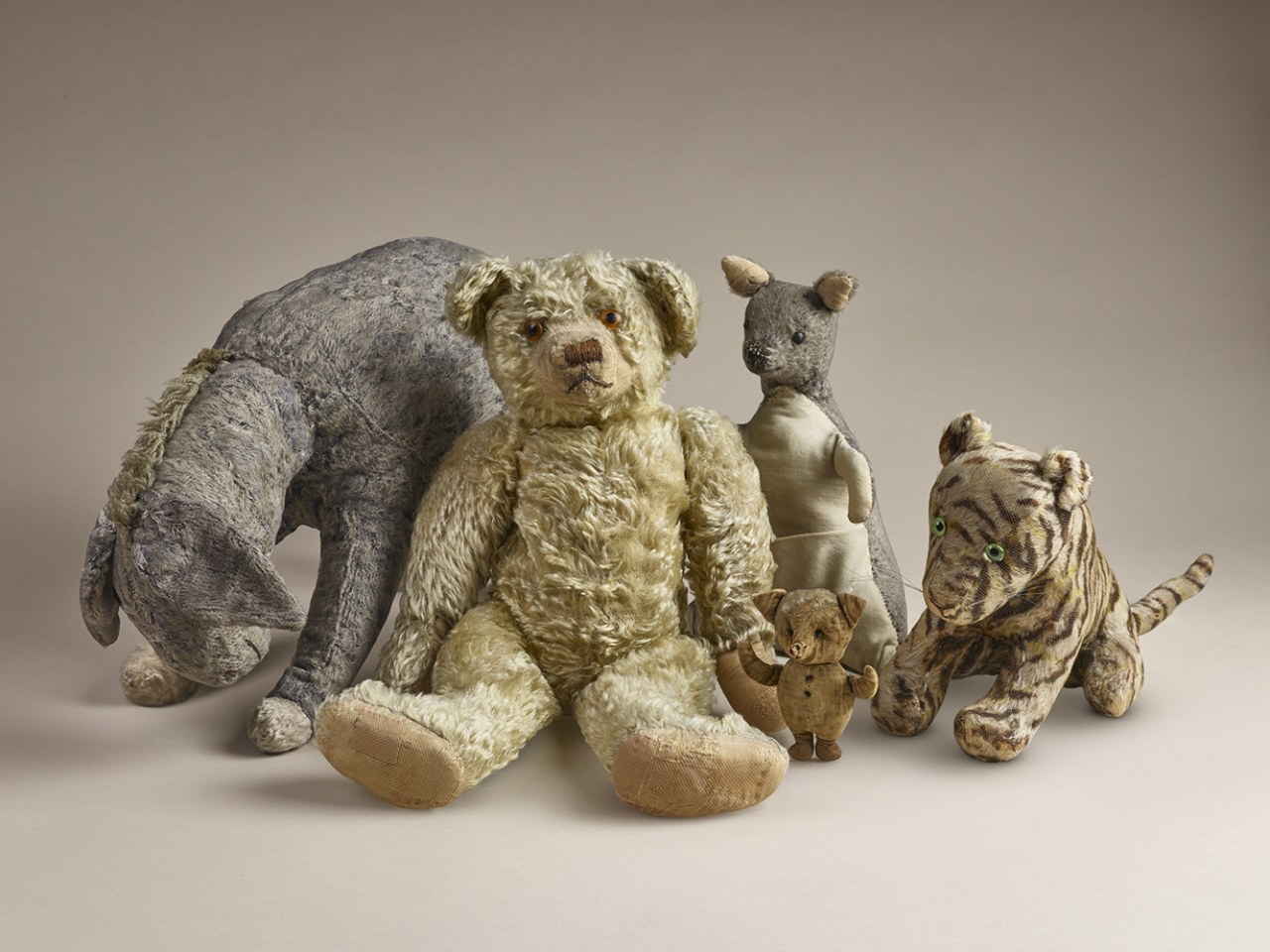
When A.A. Milne’s Winnie-the-Pooh debuted in 1926, the volume arrived not merely as an endearing children's narrative, but as an enduring masterclass in graphic economy. While Milne supplied the rhythmic, gentle cadence of the prose, it was political cartoonist and draftsman E.H. Shepard who gave form, gravity, and indelible personality to the inhabitants of the Hundred Acre Wood. As The New York Public Library marks the centenary with Silly Old Bear! Winnie-the-Pooh at 100 at the Stephen A. Schwarzman Building—displaying the original plush toys alongside rare archival editions—it is Shepard’s virtuoso pen-and-ink linework that demands contemporary graphic appreciation.
The Pen-and-Ink Craft and Negative Space of Shepard’s Illustration
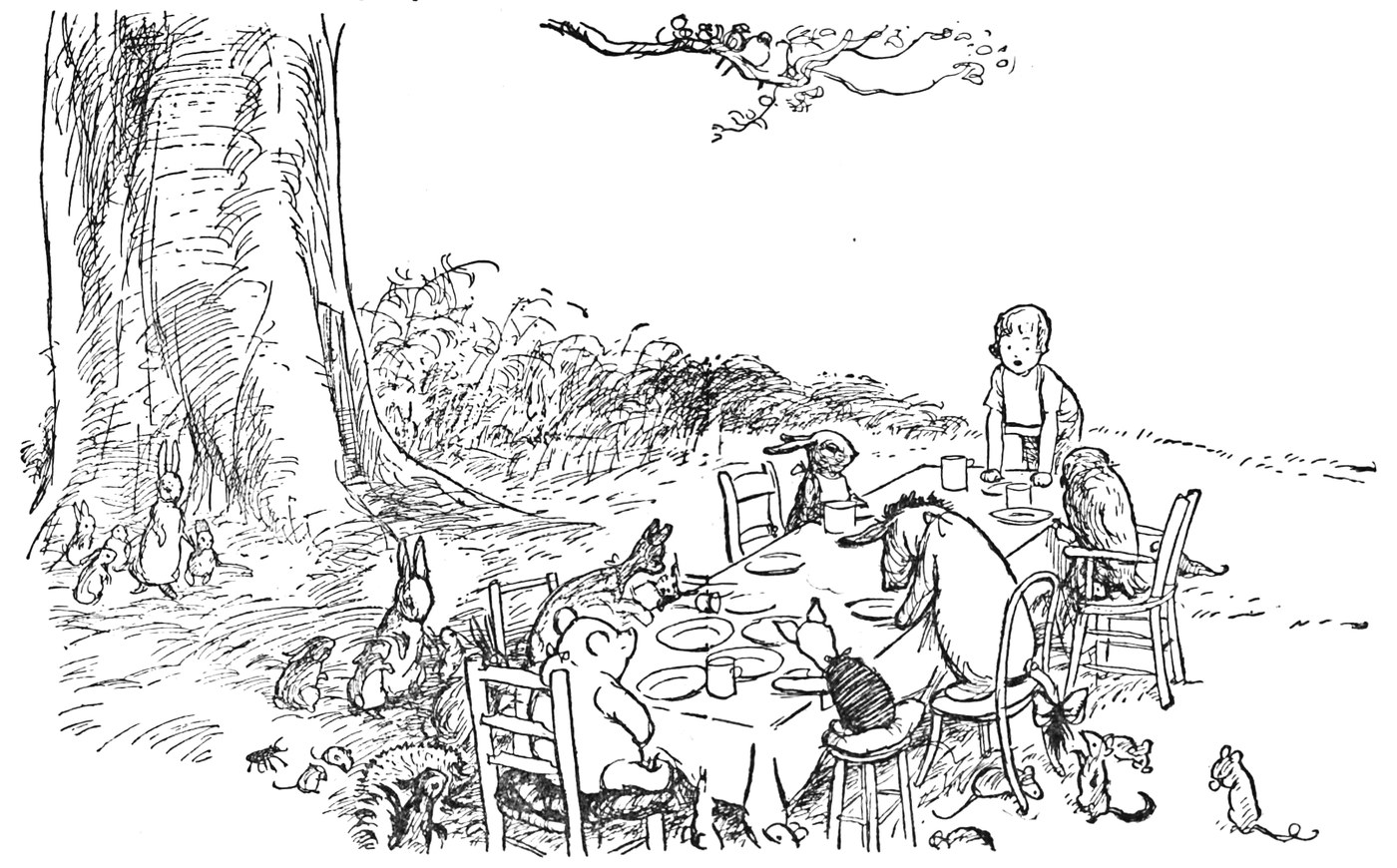
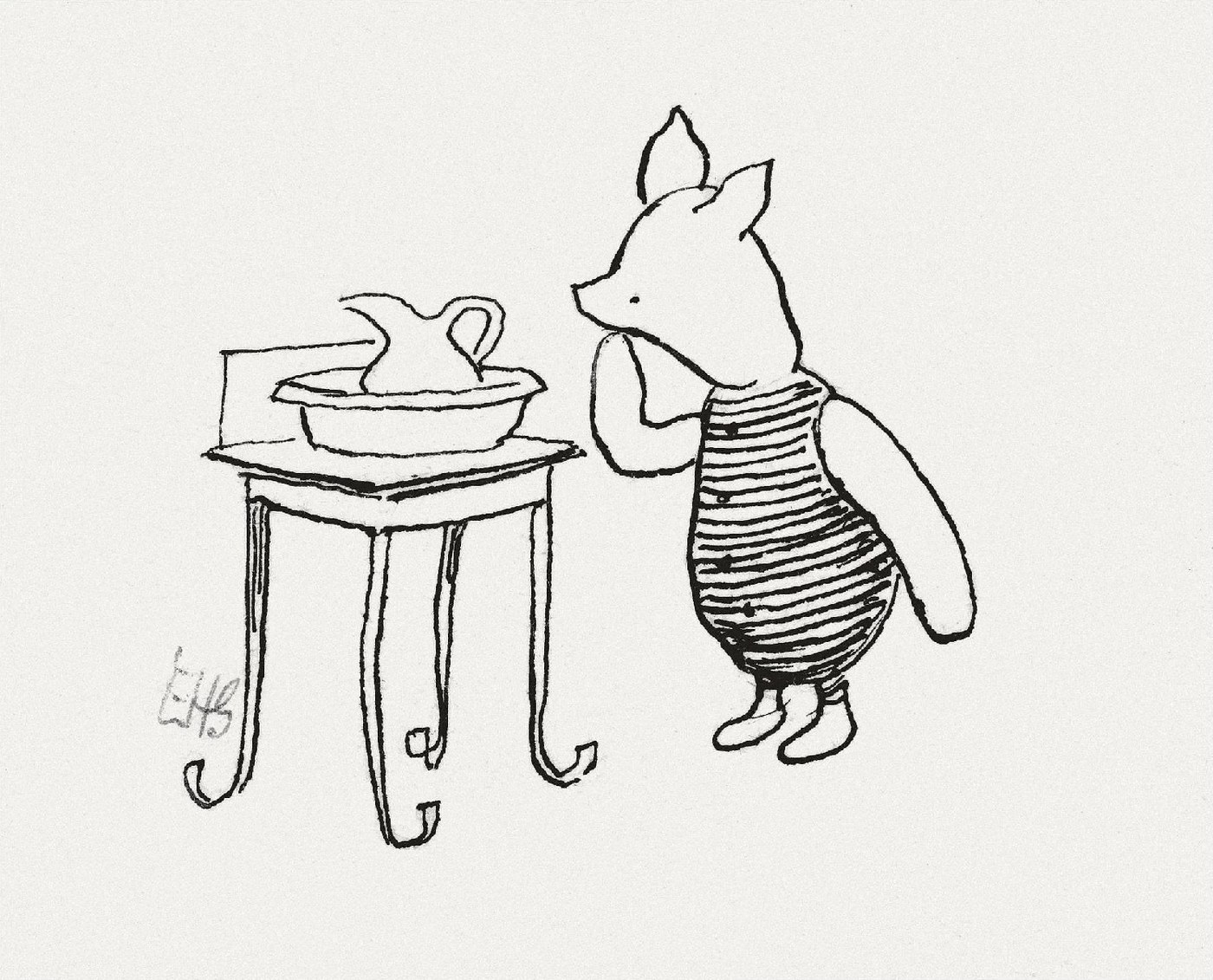
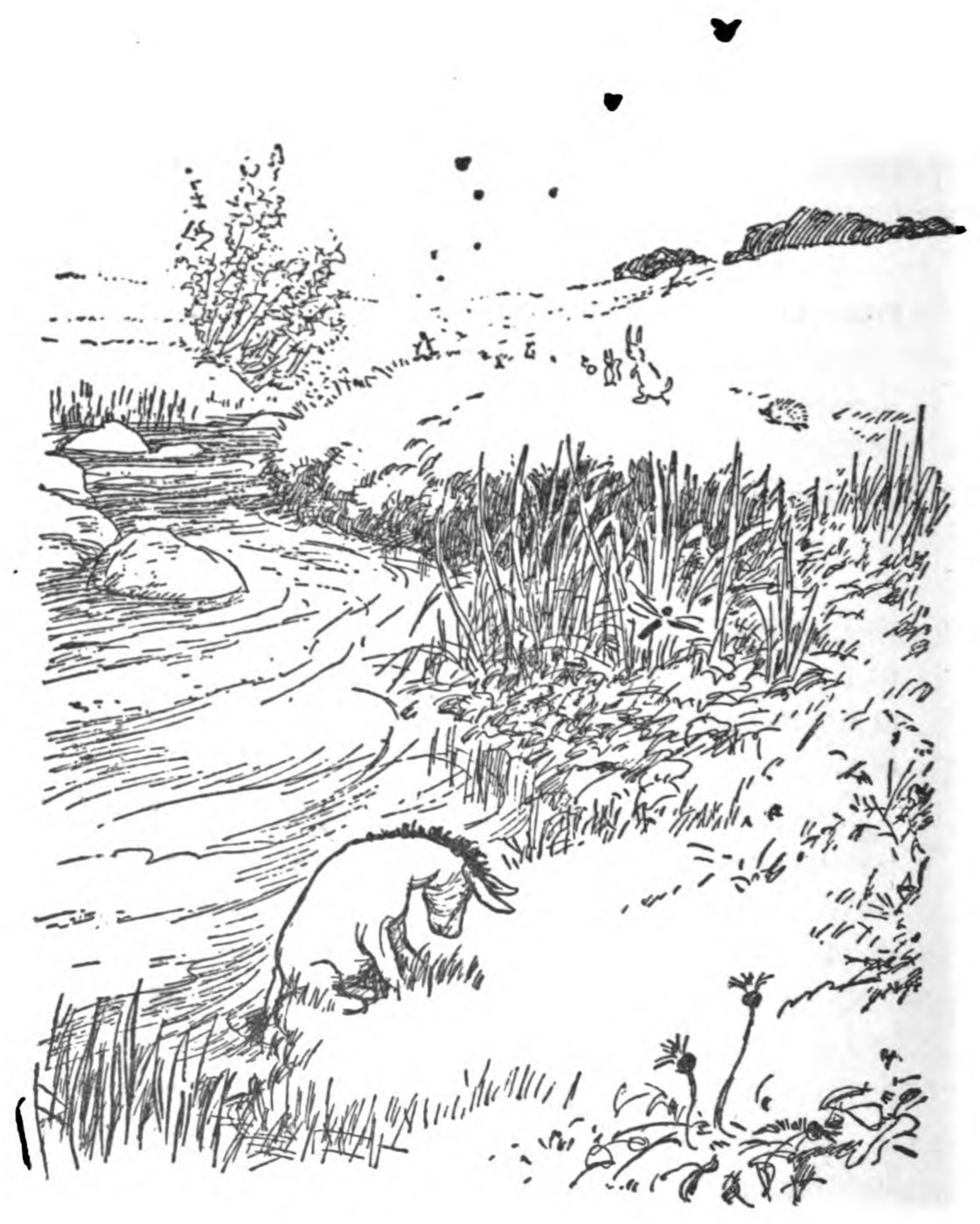
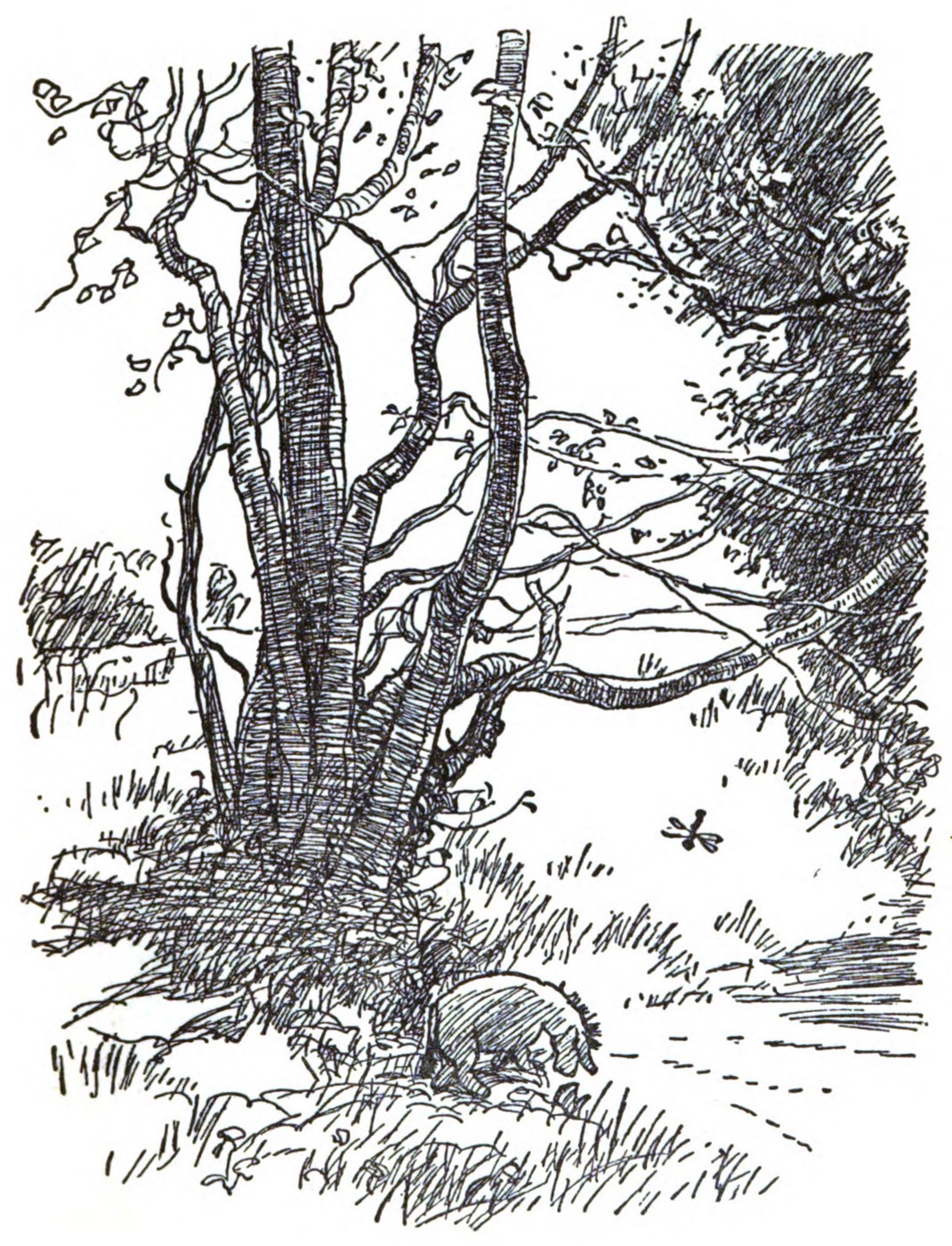
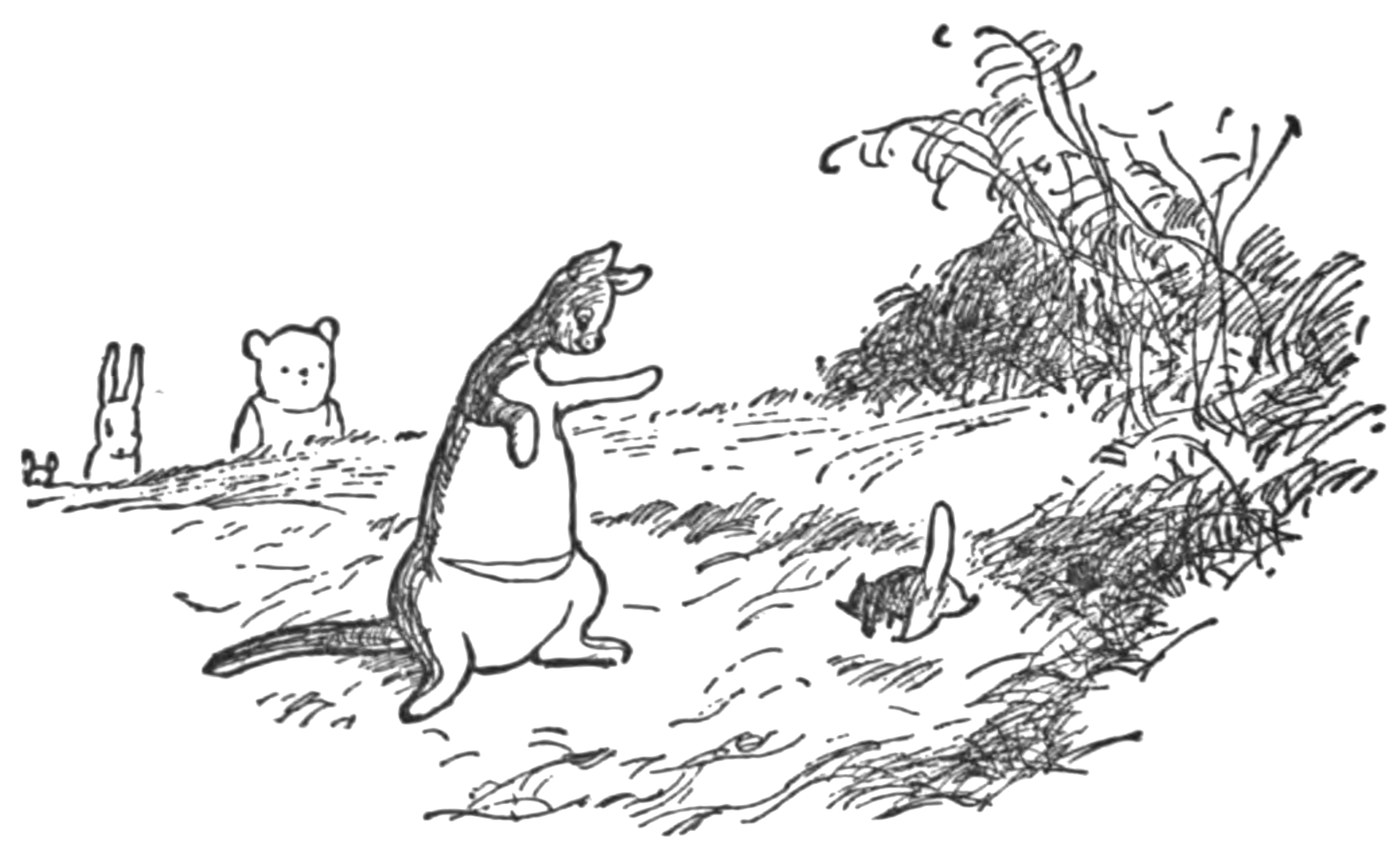
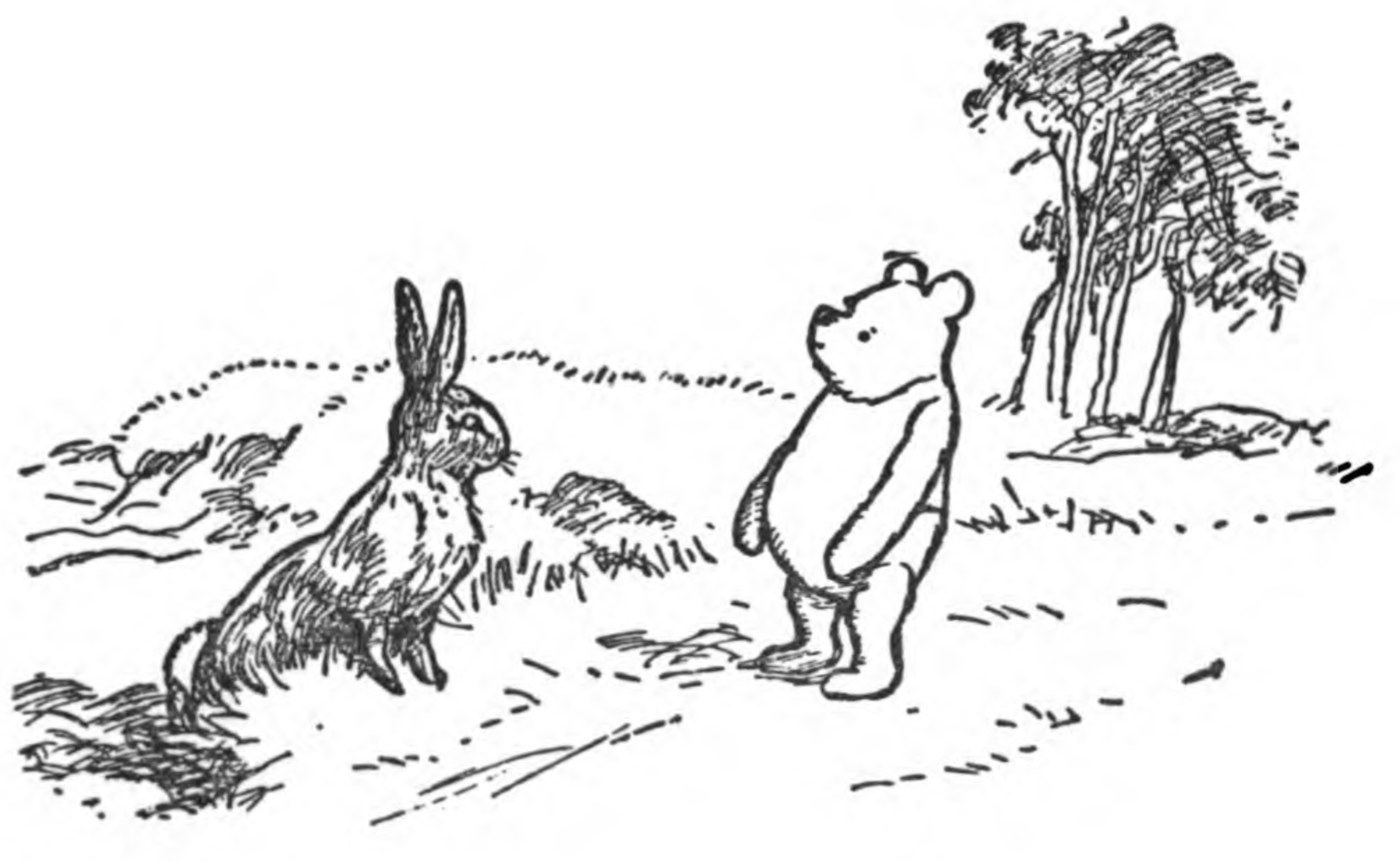
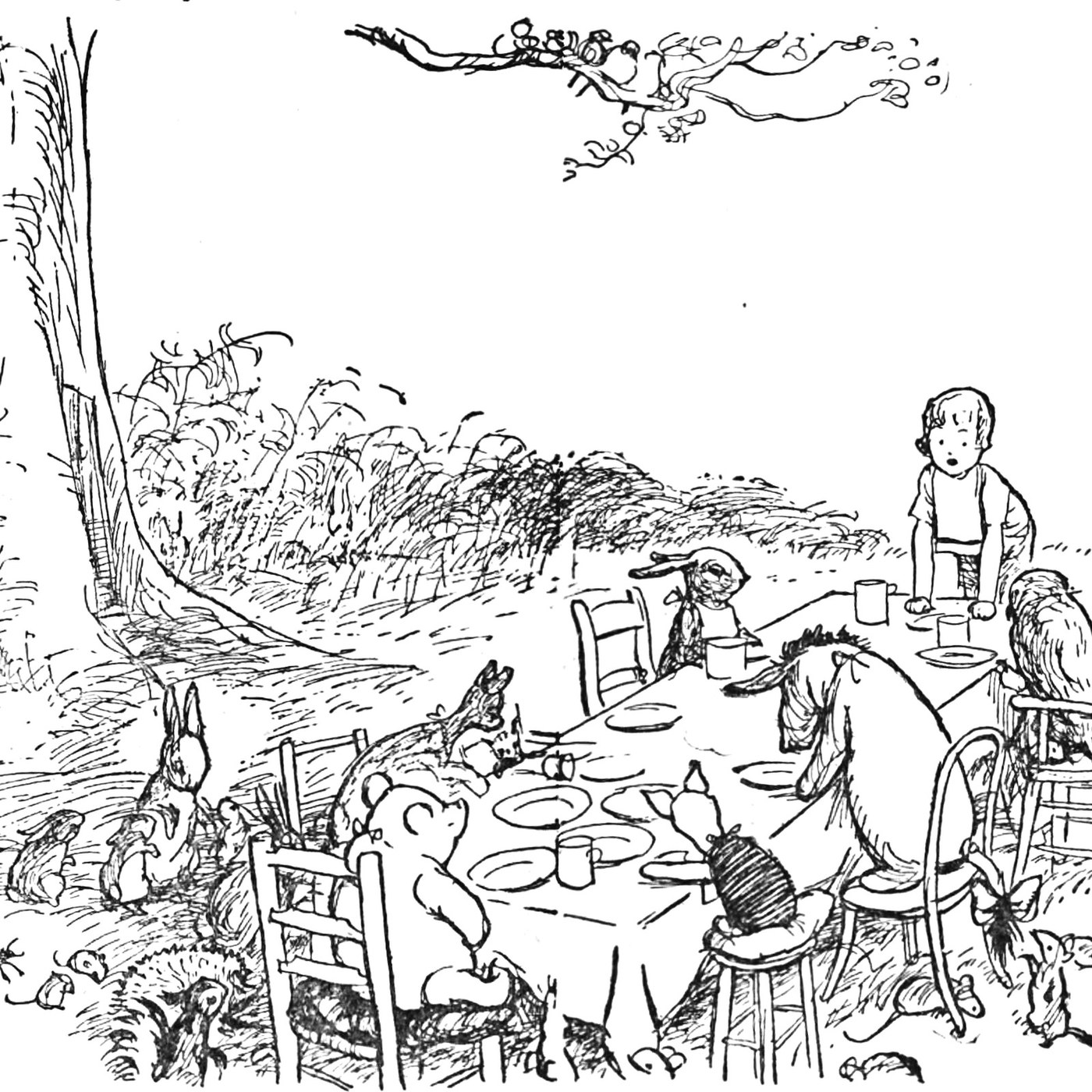
Shepard’s technical discipline stemmed from his background at Punch magazine, where speed, tonal precision, and communicative clarity were paramount. Rather than suffocating characters in heavy contouring or decorative backgrounds, Shepard understood the psychological resonance of negative space. The unprinted white page becomes the misty Sussex air of Ashdown Forest, an expansive canvas where a handful of featherlight strokes delineate vast horizons. His cross-hatching is remarkably tactile, wrapping around Pooh’s rotund geometry to suggest plush fur, weight, and innocent momentum with astonishing brevity. Character postures are executed with dry British wit: Eeyore’s chronic existential melancholy is communicated through three slumping contours of the spine, while Piglet’s perennial anxiety radiates from the delicate posture of his oversized scarf and trembling ears.
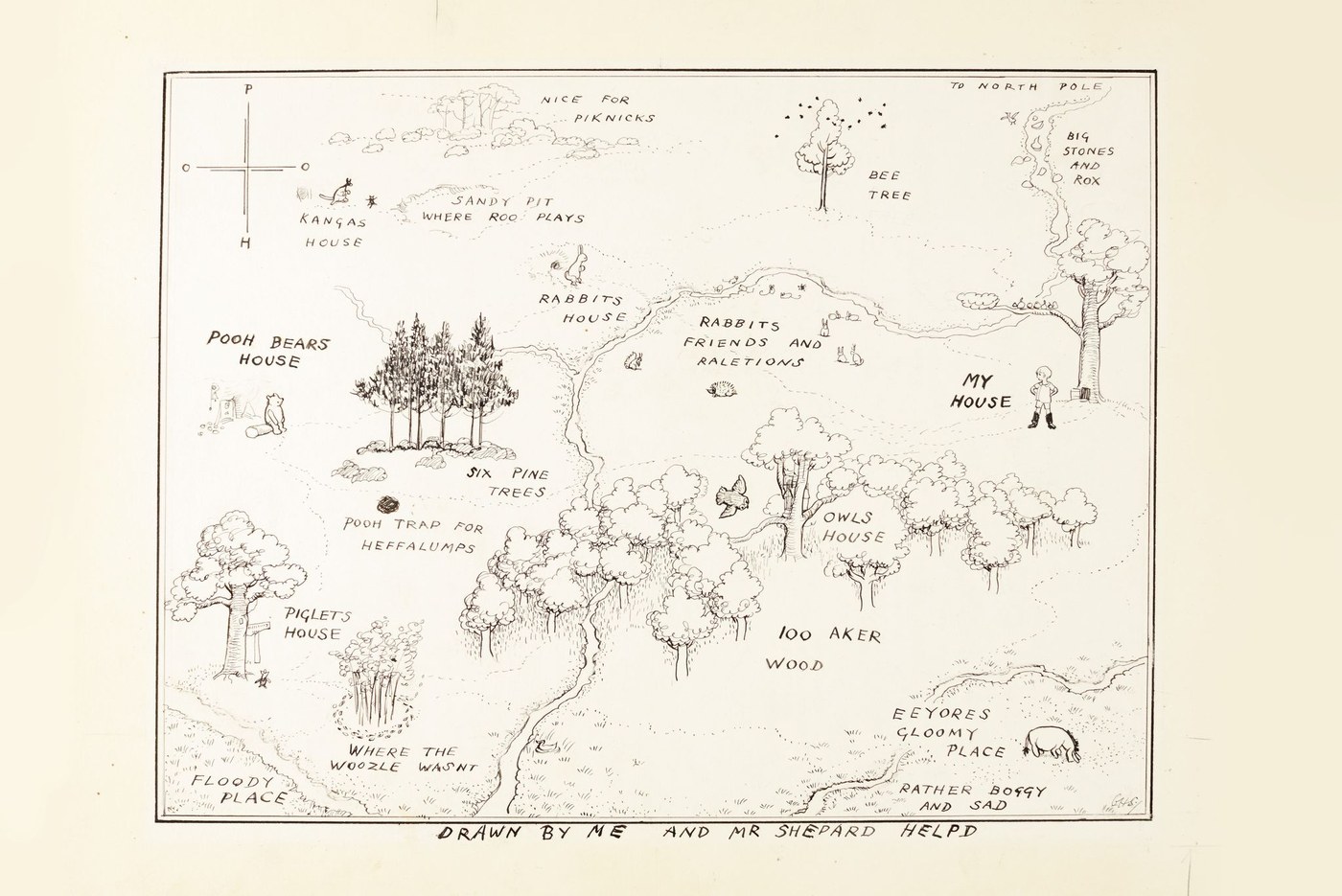
The graphic centerpiece remains Shepard’s iconic cartographic endpaper, the 100 AKER WOOD map. Rendered with faux-childish phonetic typography (DRAWN BY ME AND MR SHEPARD HELPD) and an inverted compass rose spelling POOH, the map establishes a complete spatial worldview. From the energetic communal gathering in A Pooh Party to the quiet intimacy of Pooh and Christopher Robin silhouetted against the hilltop pine boughs, Shepard never merely decorated text; he built a coherent visual universe. One hundred years on, his illustrations remind graphic designers that true visual storytelling does not require elaborate rendering engines or saturated palettes—only an unerring eye for line weight, anatomical nuance, and human affection.
See more from The New York Public Library and explore the centenary display.