Air has built an agent for creative tasks – creative teams are paying attention
While many AI tools threaten to replace the creative, or at least make them optional, Air firmly believes in the opposite. The company’s ethos is that human creative work is irreplaceable, and this is what drives the company to continue building products that take care of the tedious, busywork, in order to give users more space to actually create. It’s an approach that has won over more than 3,000 brands, and one that Air itself has spent years embodying within its own brand – from the A View On AI(r) series, to a full-page, hand-written manifesto in The New York Times. Now, its latest update promises an agent that can organise your workspace and create variants of your assets for you, taking on the most annoying tasks that often eat up creatives’ time.
Air’s new “agent for creative tasks” launched this month – a self-organising workspace that automates the tedious parts of creative work – tagging and renaming files, reorganising boards, making minor edits on thousands of images at once, and much more.
Research conducted by Air found that the average creative wastes a fifth of their day just searching for assets – old video clips, brand fonts, unlabeled graphics. In other words, Air is less interested in AI that one-shots the creative work that you love, and more interested in AI that can do all of the work that you hate.
“The wariness creatives feel towards AI tools doesn’t surprise me at all, and it’s totally justified,” says Air CEO and co-founder Shane Hegde. “I’d be more worried if people weren’t skeptical.” After eight years building Air alongside co-founder Tyler Strand, the company’s approach has come from spending time with the people actually making the work. “Getting to work with creative people is easily the best part of my job. Over the years, we’ve worked with some of the best-in-class photographers, directors, designers, brand leaders,” Shane adds. “We’ve sat beside them for hours and hours, watching real creative work happen.”
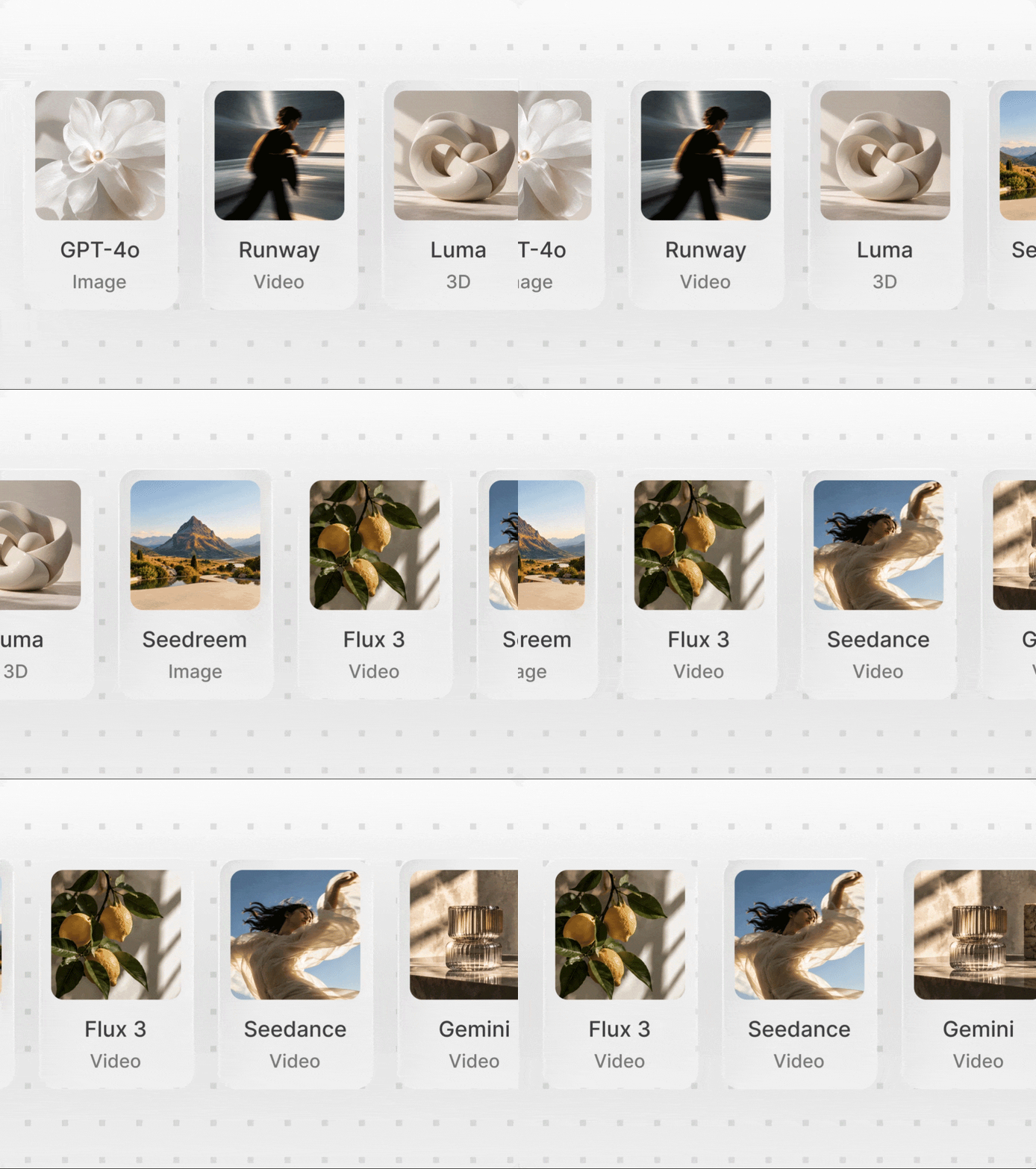
Above
Air (Copyright © Air, 2026)
What the pair saw was that creativity is a succession of tiny decisions, from adjusting a light and trying a different angle, to deciding that one version feels right and another doesn’t. “That’s the part of the job creatives love, and frankly, it’s magical to watch,” says Shane. The problem is that visual content has spread well beyond the traditional creative department, with marketing, sales, product and other teams all producing and reusing images and video. According to Air, the average creative spends 75 per cent of their week on tasks and logistics.
That’s the part Air wants to tackle. “What we’re automating at Air is purely the operational drag around creation,” says Shane, “digging for files, resizing variants, wrestling with version control.”
Rather than opening a blank prompt and asking AI to decide what a campaign should look like, Air’s agent works with the creative material a team already has. “Because all of your media already lives on Air, we’re able to maintain a deep context layer that learns your brand,” Shane explains. In practice, users can ask it to organise thousands of assets, find specific media and act on it, or produce the different formats a campaign needs. Ben, Air’s client from agency PM1, used it to set up pillar boards and search for the assets to fill them. “I can’t tell you how much more content we’re able to actually make,” he says. “I love it. It’s crazy.”
For Shane, there is a fairly clear line between what should and shouldn’t be automated. “It’s the zero-to-one spark: deciding what a campaign stands for, why an idea matters, which shot feels authentic, when a piece is finished,” he says. “That work is irrevocably human.” Everything after that creative call is where Air comes in. “Re-formatting an approved asset into eight ratios, pulling a clip from an archive, or bulk-renaming deliverables, that’s logistics, and no creative ever got into the field to do logistics 24/7.”
One Air customer had 50 years of footage spread across hard drives, physical storage units and an Amazon Glacier instance. Using Air’s conversational search, the team found a 25-year-old clip of Usher performing a specific song, edited it, shared it for feedback and got it into a campaign on the same day. AI isn’t deciding what the campaign should be. It’s helping the people behind it spend less time hunting around for the raw materials.
For all the noise around AI replacing creativity, Air’s proposition is clear: automating the repetitive tasks so people can spend more time on the creative work that they love. “Creative work is and forever will be deeply subjective. Deeply human,” adds Shane. That’s one useful distinction to make as more AI tools arrive on the creative scene. Not everything needs automating. The trick is knowing what to automate, and leaving the creative parts to the people behind the work.
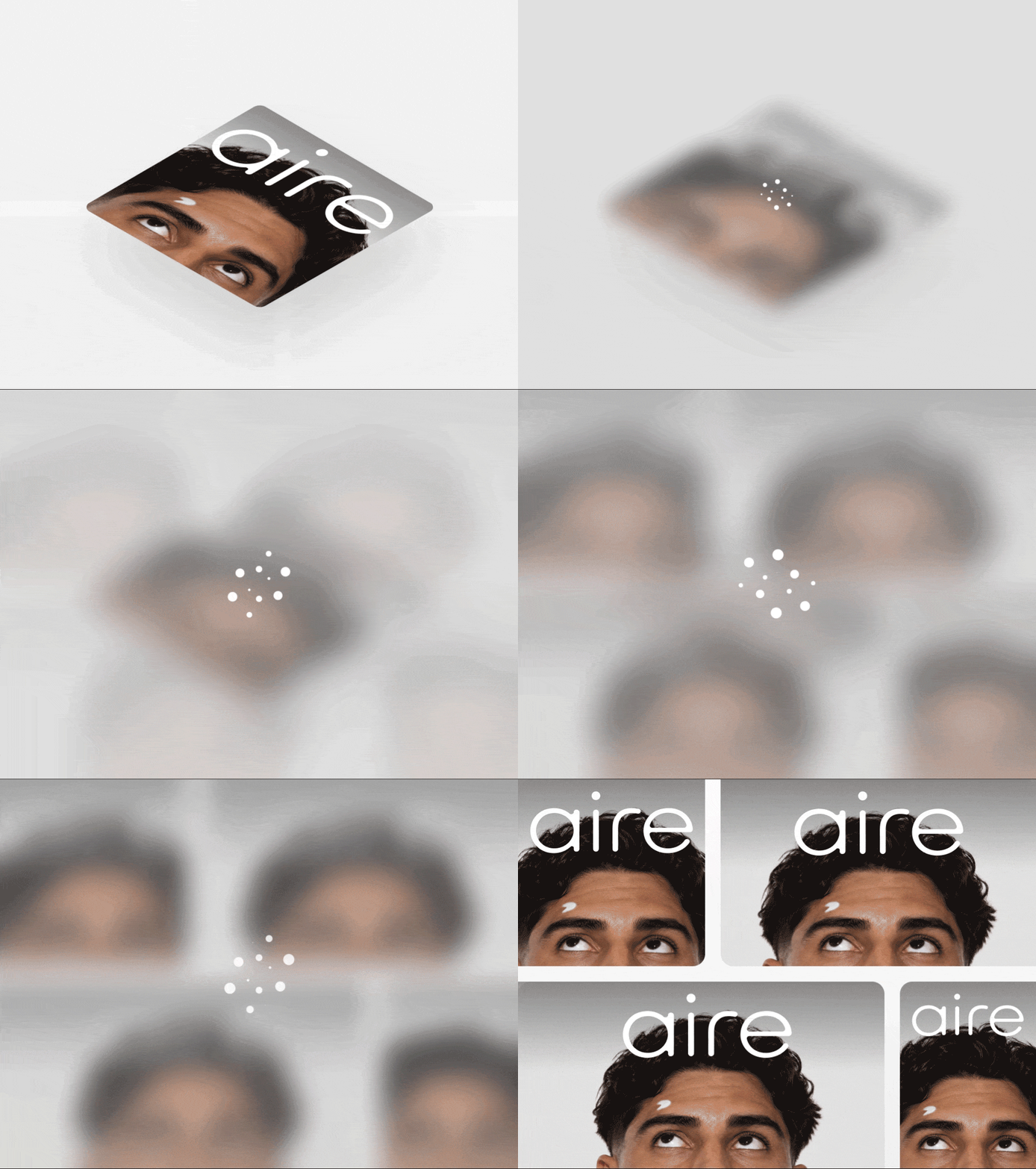
Above
Air (Copyright © Air, 2026)