Could A Democratic Midterm Win Crash Markets?
Submitted by QTR's Fringe Finance
The Brazilian selloff over the last 36 hours is a reminder that political outcomes can become catalysts for violent market repricing.
With the midterm elections just days away, I think investors should consider what a Democratic victory could mean for a stock market already showing signs of exhaustion.
I’ve spent months arguing that extraordinary concentration in technology stocks, speculative excess surrounding artificial intelligence, and uncomfortable valuations have created conditions for a significant correction. Others whom I respect are coming to the same conclusions.
The election doesn’t change those underlying problems, but it could introduce additional catalysts for investors to reconsider the assumptions embedded in their portfolios, an idea I started to explore back in August but want to supplement now, closer to election day.

In my opinion, one of the most underappreciated reasons American financial markets have performed so well over the last two years is that, for all intents and purposes, the United States has been operating with extraordinarily little regulatory resistance.
Regulations haven’t literally disappeared, but Washington’s prevailing philosophy has been unmistakable: loosen restrictions, encourage capital formation, and give businesses as much room to operate as possible. From cryptocurrency and private credit to energy, banking, and technology, the regulatory winds have largely blown in one direction.
I believe this has been an enormous tailwind for equities, even helping investors look past everything from the Iran conflict and geopolitical instability to tariffs, trade uncertainty, and increasingly stretched valuations.
And I think investors would be making a mistake to underestimate what happens if that changes. A Democratic midterm victory, even if it delivers only the House, could represent a tectonic shift in the political environment that has helped propel markets higher. Committee chairmanships and subpoena power would change hands, opening the door to investigations into cryptocurrency exchanges, private credit markets, bank deregulation, corporate conflicts of interest, government contracts, and the AI investment boom.
The Financial Services, Judiciary, and Oversight Committees could haul executives before Congress, demand internal communications, scrutinize mergers and antitrust practices, and investigate everything from opaque private-market valuations (of which there are many) to AI-related financing arrangements and data-center subsidies.
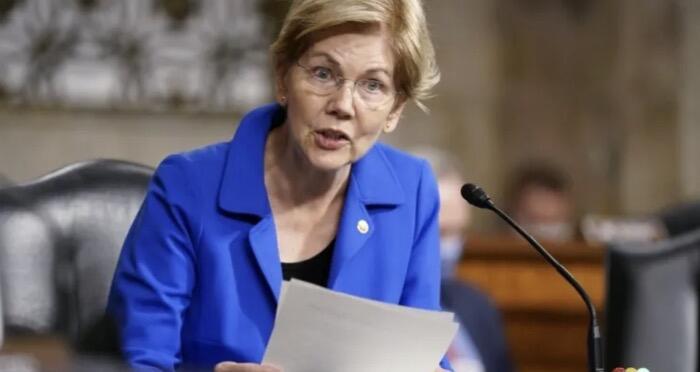
Democrats could also use spending negotiations and congressional hearings to challenge the administration’s deregulatory agenda and pressure the SEC, FTC, DOJ, and banking regulators to justify their enforcement decisions. None of this would require Democrats to control the Senate or White House, and none of it would necessarily require passing a single new law.
If you add the Senate into the equation and Democrats control all of Congress, the implications become even more significant. The administration could face a coordinated legislative blockade, with Democrats controlling spending negotiations, committee investigations, and the ability to stall tax and deregulatory initiatives.
Even with presidential veto power limiting new legislation, Washington could shift from a source of regulatory accommodation to persistent political uncertainty, potentially forcing markets to reprice companies that have benefited most from the current environment.
Congressional investigations can create legal expenses, reputational damage, regulatory referrals, and uncertainty about future profitability, even without new legislation. Industries enjoying premium valuations partly because of favorable regulatory treatment, permissive merger approvals, limited enforcement, or government support could suddenly face an entirely different political calculus.
A technology company trading at 50x earnings doesn’t need its business to collapse to experience significant multiple compression; investors merely need to reassess the assumptions supporting that valuation.
85% OFF FOREVER IF YOU SUBSCRIBE TODAY: I am again offering an 85% discount to anyone that wants to become a Fringe Finance annual subscriber today. It’s a discount you can keep and stays applied for as long as you wish to remain a subscriber: Get 85% off forever
To be clear, a Democratic House couldn’t unilaterally impose sweeping regulations, but it could increase oversight, obstruct the administration’s agenda, and create uncertainty for industries accustomed to Washington’s accommodation. If Democrats also captured the Senate, they could further constrain the administration through legislative gridlock, spending negotiations, and control over confirmations.
And if they win the White House in 2028, the implications for corporate taxation, antitrust enforcement, financial regulation, and government spending could become massive. Markets don’t have to wait for regulations to change before repricing the possibility that they will.
Should Democrats win in 2028, we’re no longer talking about hearings and political theater, but potentially wholesale changes in regulatory philosophy, agency leadership, enforcement priorities, energy policy, and financial oversight. In my opinion, that would represent a massive sea change from the environment investors have grown accustomed to under Trump.
Whether one agrees with deregulation politically is beside the point. Markets have benefited from expectations of a relatively permissive regulatory regime, and investors shouldn’t assume those conditions will last indefinitely.
I wrote about this possibility several months ago, identifying six areas of the market that could (and should) experience meaningful repricing if Democrats regained congressional power. Today I reviewed and supplmented these 6 areas with a few more to consider, which can be read here.
My broader concern is that investors have become so accustomed to a permissive regulatory environment that they’ve stopped treating it as a variable. In my opinion, deregulation has been a powerful tailwind for financial assets over the last two years, even against a backdrop of tariffs, geopolitical instability, and stretched valuations.
--
QTR’s Disclaimer: Please read my full legal disclaimer on my About page here. This post represents my opinions only. In addition, please understand I am an idiot and very often get things wrong and lose money. I may own or transact in any names mentioned in this piece at any time without warning, meaning if I’m long I could sell or if I’m short I could cover at any time. Positions can change immediately. This is not a recommendation to buy or sell any stocks or securities, just my opinions. I often lose money on positions I trade/invest in. I may add any name mentioned in this article and sell any name mentioned in this piece at any time, without further warning.